

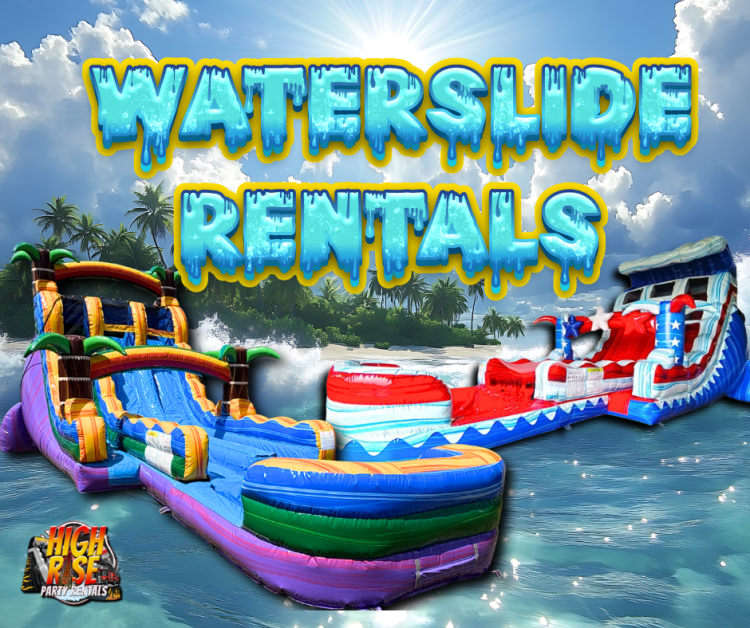


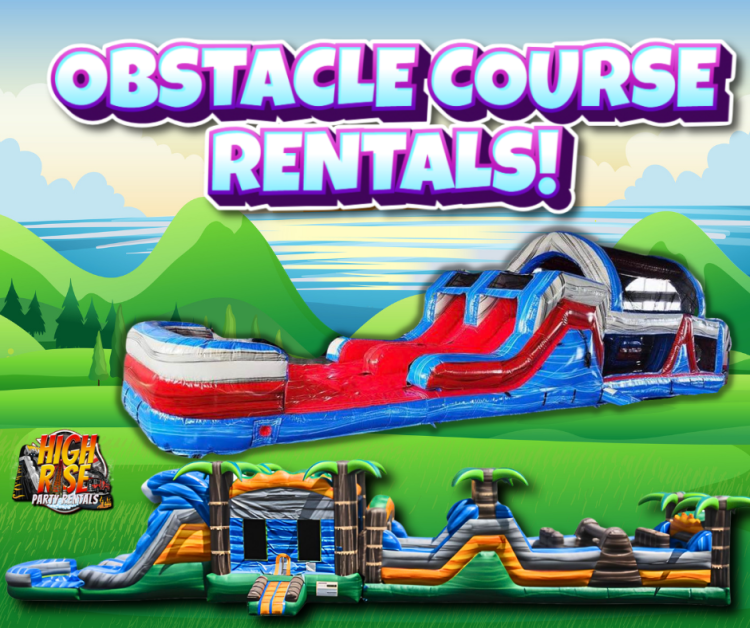







A school carnival can look effortless when the gates open: kids racing toward the obstacle course, families gathering under shaded tents, music playing, and a foam party creating instant smiles. Getting there takes a little behind-the-scenes coordination. School event permits are one of the first details to address when your plans include inflatables, tents, food vendors, amplified sound, road access, or a large crowd.
The good news is that permits do not have to turn a fun school celebration into a paperwork marathon. With an early start, a clear event layout, and the right rental partners, your team can focus on the part everyone will remember: a safe, high-energy day for students, staff, and families.
Start With the School District and Venue Rules
Before contacting a city department, confirm who controls the property and what approvals are already required internally. A public school campus may have district-level facility use rules, insurance requirements, vendor procedures, and restrictions on where equipment can be installed. A private school, church school, or charter campus may follow a different approval path.
Start with the principal, facilities manager, or event coordinator. Ask whether the school has hosted a similar event before and request any existing site map, vendor packet, or event checklist. Past events can reveal practical details, such as which gates are available for delivery vehicles, where electrical outlets are located, and which field areas stay dry after rain.
Do not assume an event on school property is automatically exempt from local requirements. The school may approve the event while the city or county still requires a separate review for a large tent, food service, traffic plan, or special activity. Requirements vary by location, attendance, equipment, and event type.
Know Which School Event Permits May Apply
Not every school fun day needs every permit. A small after-school celebration with a few tables may require only internal approval. A community-wide fall festival with food trucks, multiple tents, generators, inflatables, and hundreds of guests usually deserves a more detailed conversation with the local permitting office.
Common items to ask about include:
- Special event approval for a larger public-facing gathering
- Tent or temporary structure permits, especially for large canopies or multiple connected tents
- Fire review for tents, exits, cooking areas, generators, or propane
- Food permits for vendors preparing or serving food on-site
- Temporary electrical or generator approval
- Parking, traffic, or road-use coordination when attendance affects nearby streets
- Noise or amplified sound permission for DJs, announcements, or performances
- Vendor insurance certificates and additional insured requirements
A permit is not always the same as an approval. For example, the school may require a vendor to provide proof of insurance, while the fire department may review tent placement and emergency access. Treat each as a separate box to check rather than assuming one document covers everything.
Tents, exits, and fire access
Tents create welcome shade in South Florida, but they also affect site safety. Larger tents may need permits, flame-resistance documentation, anchoring details, and a layout that preserves clear exits. Never place tents where they block fire lanes, building doors, hydrants, or emergency vehicle access.
Cooking and heating equipment deserve extra attention. Keep grills, fryers, propane tanks, and generators in the approved area, away from children’s activity zones and tent entrances. Your local authority may set exact spacing rules, so confirm those details before the event instead of making last-minute layout changes.
Inflatables and water attractions
Bounce houses, slides, obstacle courses, and foam attractions bring serious fun, but their setup area needs to be planned just as carefully as the entertainment itself. Some schools or municipalities require specific insurance coverage, licensed operators, inspection documentation, or an approved setup location. Others focus primarily on the school’s own risk-management requirements.
Ask early about stakes. Athletic fields, irrigation lines, underground utilities, and paved courtyards may limit how equipment can be anchored. A professional provider should assess the surface, use appropriate anchoring methods, and keep units clear of power lines, drop-offs, fences, and vehicle routes.
For water slides and foam parties, plan for water access, drainage, and surface conditions. A grassy area may work beautifully on a clear day but become slick or muddy after repeated use. Establish a weather plan, identify the nearest safe shutdown area, and make sure attendants know who has the authority to pause activities if conditions change.
Build Your Site Plan Before You Apply
The fastest way to get delayed is to submit a vague plan. A simple, accurate site map makes permit conversations easier and helps every vendor arrive prepared. It does not need to be fancy. A marked-up campus map is often enough, as long as it clearly shows the important details.
Include the event entrance, check-in area, parking, restrooms, first-aid location, tents, food vendors, generators, inflatables, games, stage or sound area, and emergency access routes. Show where delivery vehicles will enter and unload. If you expect a line for food or a popular attraction, leave room for it so walkways do not become crowded.
Think about how families actually move through the event. Place high-energy attractions away from quiet activities and avoid sending children across vehicle paths to reach a bounce house. Keep younger children’s activities visible to parents. Give food vendors enough space for safe queues, trash bins, and handwashing where required.
This is also the moment to plan for weather. South Florida events need shade, hydration, and a rain plan. Determine where guests will go if lightning is nearby, whether tents can remain open in wind, and how your team will communicate a delay or early closure. A great layout protects the fun when the forecast is less than perfect.
Give Yourself More Time Than You Think
Permit timelines can vary from a few days to several weeks, especially when more than one department needs to review an event. Begin your conversations as soon as you select a date and venue. Do not wait until the flyer is printed or families have bought tickets.
A practical planning rhythm is to confirm the school’s internal requirements first, then contact the relevant local offices with your event date, estimated attendance, hours, site plan, and list of activities. Ask what triggers a permit, what documents are needed, how long review takes, and whether inspections are required on event day.
Keep one shared folder for applications, site maps, certificates of insurance, vendor contacts, equipment specifications, and approvals. Assign one person to track deadlines and another to handle day-of communication. That small bit of organization prevents the classic problem of everyone assuming someone else sent the final document.
Choose Vendors Who Make Compliance Easier
The lowest rental price is not always the best value for a school event. A vendor who arrives late, cannot provide insurance paperwork, or has no plan for proper setup creates stress for the organizer and can put the event approval at risk.
Ask rental partners whether they regularly serve schools and what documents they can provide. They should be ready to discuss delivery access, setup timing, equipment dimensions, power needs, anchoring, staffing, cleaning procedures, and weather policies. For larger events, confirm whether the equipment needs attendants and whether those attendants are included.
High Rise Party Rentals helps schools and family organizers pair exciting attractions with the practical support that keeps the day moving, from clean inflatables and tents to seating, games, concession equipment, and trained event attendants. A complete rental plan is easier to coordinate than juggling separate vendors who have never seen the site map.
Make Event Day Safe, Clear, and Fun
Once permits and approvals are in place, share the final plan with your staff, volunteers, vendors, and school administration. Walk the site before guests arrive. Confirm that exits are open, fire lanes are clear, extension cords are protected, equipment is properly secured, and each activity has the right supervision.
Set up a simple command point for the event lead, first-aid contact, and vendor check-in. Have a way to reach volunteers quickly if weather moves in, a child gets separated from their group, or an activity needs to pause. Clear communication is not glamorous, but it is what lets everyone else relax and enjoy the celebration.
The best school events feel joyful because the planning is solid underneath them. Start your permit questions early, map the space thoughtfully, and work with dependable professionals. Then when the first students arrive, your team can trade clipboards for smiles and enjoy the party right alongside them.