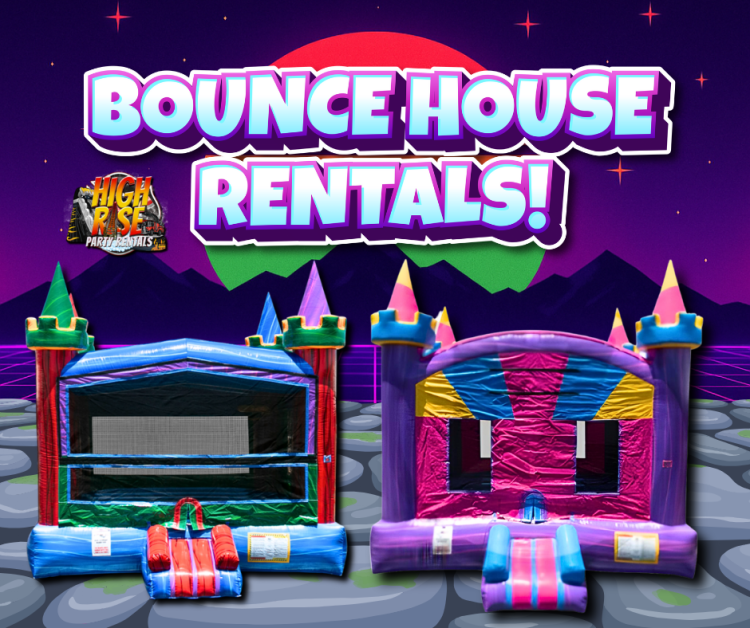
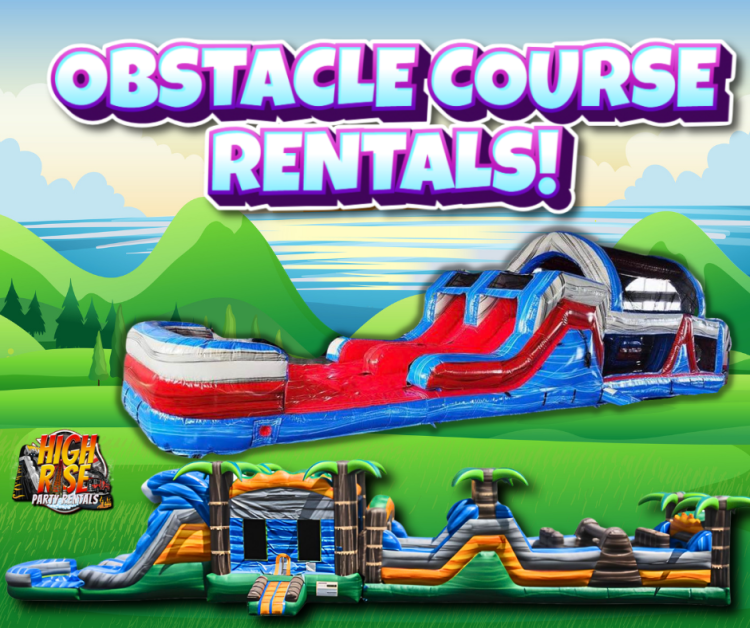
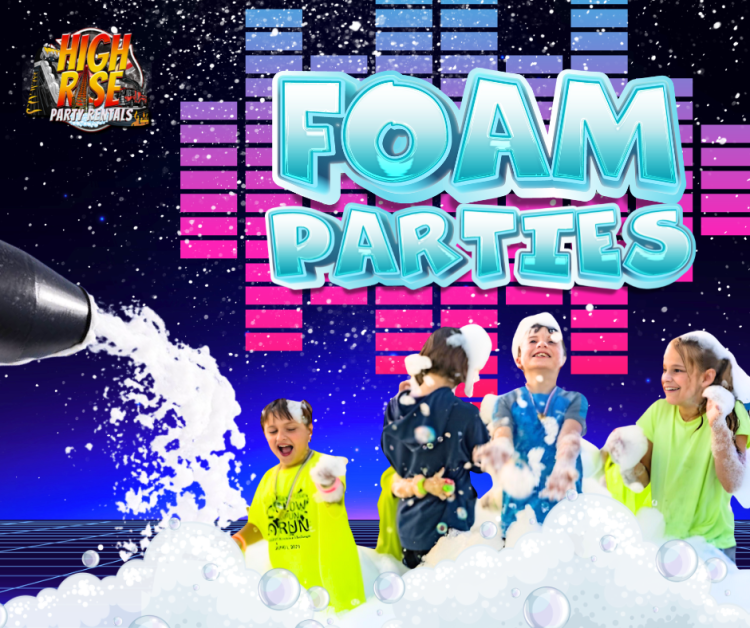


That perfect Saturday afternoon slot can disappear quickly when school is out, birthdays are stacked on the calendar, and South Florida weather is at its best. Party rental deposits are what turn the bounce house, water slide, tent, or foam party setup you want from an item in an online cart into equipment reserved specifically for your event.
For parents and event organizers, a deposit should not feel like a surprise fee or a confusing extra step. It is a practical part of building a dependable event plan. It allows the rental company to commit inventory, schedule delivery crews, prepare clean equipment, and hold your date while you handle the rest of the fun details.
Why Party Rental Deposits Matter
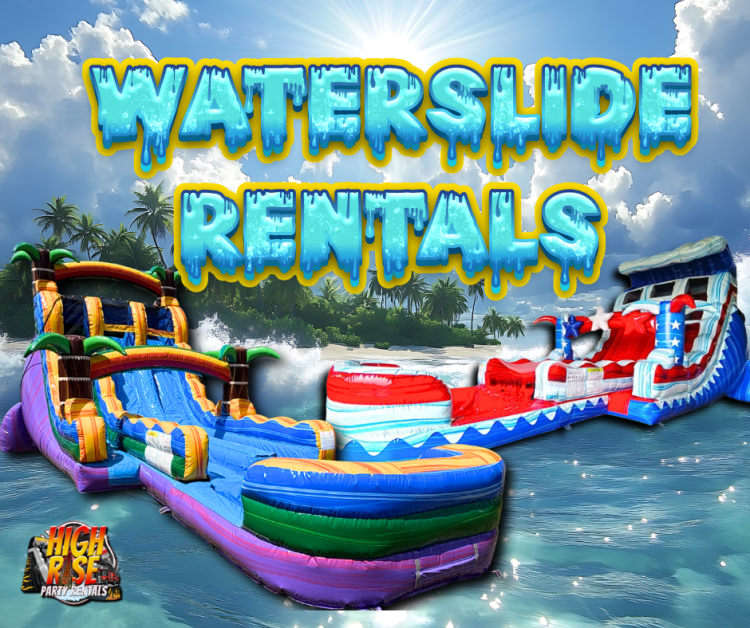
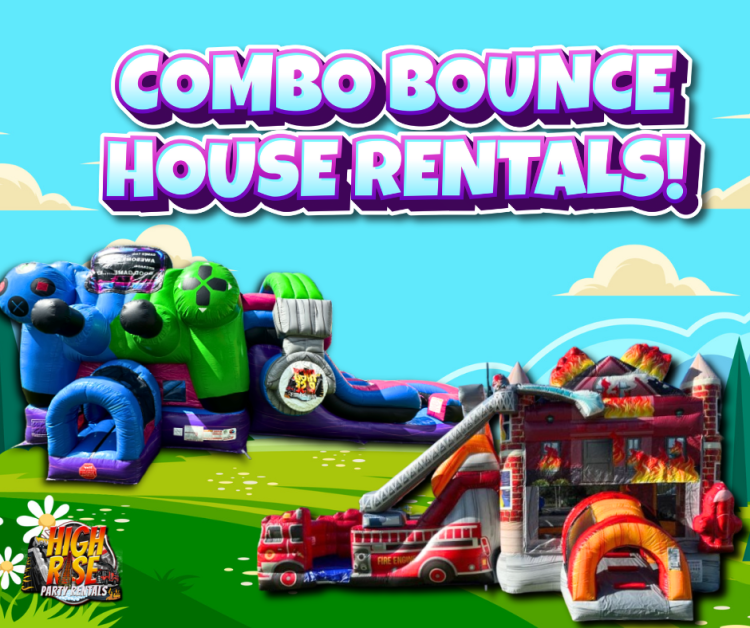
A party rental company has a limited number of each attraction, especially popular items like large water slides, combo bounce houses, obstacle courses, tents, tables, and chairs. Once a customer books an item for a particular date and time, that equipment cannot be promised to another family, school, church, or corporate event.
The deposit is the customer’s commitment to that reservation. In return, the rental company commits to preparing for the event. That can include coordinating routes, assigning drivers and attendants, inspecting equipment, cleaning and sanitizing inflatables, and setting aside accessories such as extension cords, generators, or safety mats.
This matters even more for larger events. A school carnival may require several inflatables, games, tents, seating, and concession machines. A community festival may need an attendant schedule and a carefully planned delivery window. Holding that equipment without a deposit would make it difficult to serve every customer fairly or confidently.
At High Rise Party Rentals, the goal is simple: when you book your event, you should be able to focus on the guest list, cake, and big moments instead of wondering whether your entertainment will be available.
What a Deposit Usually Covers
A deposit typically goes toward the total cost of your rental. It is not usually an added charge on top of the rental price. The remaining balance is then due according to the company’s stated booking terms, often before delivery, at setup, or by another clearly communicated deadline.
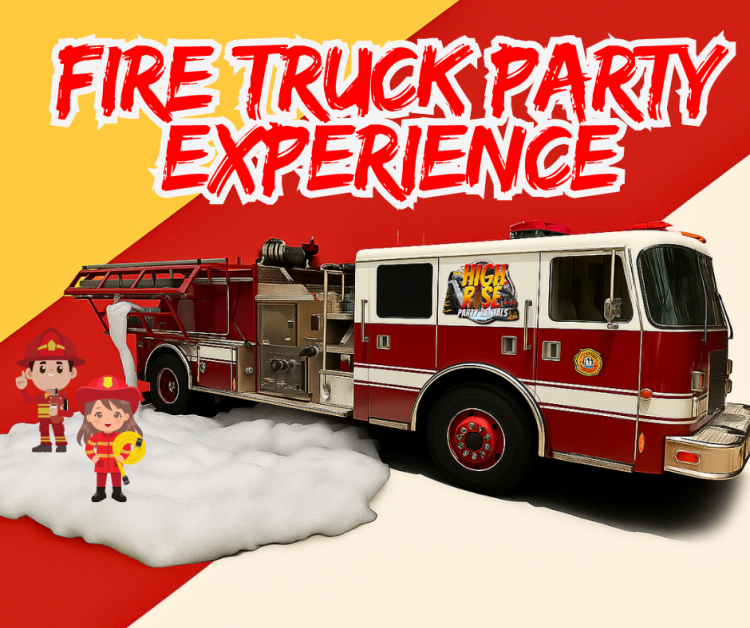
The exact amount can depend on the size of the reservation. A backyard bounce house rental may have a different deposit requirement than a full school field day, a corporate picnic, or a Firetruck Party Experience™ with attendants and specialty equipment. The more inventory, staffing, and coordination involved, the more important it is to reserve the date early and understand the payment schedule.
A deposit also supports the behind-the-scenes work that makes an event feel easy. Clean, safe equipment does not arrive by accident. It requires maintenance, inspection, transport, setup planning, and a team that knows where every item needs to be. Those operational details are part of the value of working with a full-service rental provider rather than trying to piece together entertainment and infrastructure from multiple sources.
Before You Pay: Ask the Right Questions
The best booking experience starts with clear expectations. Before placing a deposit, review the rental company’s terms and ask about anything that affects your event. You do not need to become an event logistics expert, but you should know what has been reserved and what happens if plans change.
Start by confirming the event date, delivery address, rental period, and every item included in the order. Check whether setup and pickup are included, whether your location has adequate access, and whether power or water is needed for the attraction you selected. For example, a water slide needs a hose connection and appropriate space, while a foam party setup may have different surface and drainage considerations.
You should also understand the balance due date, accepted payment methods, cancellation policy, weather policy, and rescheduling options. These are not small-print details. They help you make good decisions if a child gets sick, a venue changes rules, or the forecast calls for unsafe conditions.
For public events and larger gatherings, ask whether certificates of insurance, attendants, generators, or additional safety equipment are needed. Getting these details settled before paying a deposit protects your planning timeline and helps the event day run smoothly.
Deposits, Cancellations, and Rescheduling
Every rental company sets its own policy, so there is no one rule that applies to every booking. Some deposits may be refundable when a cancellation is made far enough in advance. Others may be nonrefundable but transferable to a new date, especially when the company has already turned away other bookings or begun arranging staff and delivery logistics.
The most important thing is to notify the company as soon as you know something has changed. Waiting until the day before an event limits everyone’s options. Early communication may give you more flexibility to move the rental to another available date, select a different item, or apply your deposit to a future celebration, depending on the policy.
Weather requires special attention in West Palm Beach and surrounding South Florida communities. A light passing shower is different from lightning, high winds, flooding, or conditions that make setup unsafe. Inflatables and water attractions should never be operated in unsafe weather. A professional company will prioritize safety over forcing an event to go forward, even when everyone is disappointed.
When planning an outdoor event during rainy seasons, consider a backup plan before you book. That might mean choosing a venue with covered space, reserving a tent where appropriate, selecting an alternate date, or asking about rescheduling procedures. A deposit policy cannot control the forecast, but a clear policy can make an unexpected weather decision much less stressful.
How to Protect Your Reservation
The easiest way to avoid deposit confusion is to treat your rental confirmation like any other important event document. Read it when you receive it, not while guests are arriving. Make sure the contact phone number and email address are correct, and keep the confirmation available on event day.
If your event is at a park, school, church, clubhouse, or public venue, verify the site’s rules before booking. Some locations require permits, proof of insurance, specific setup areas, or a generator because outlets are not available. Others restrict water use, stakes in the ground, or delivery times. A deposit reserves rental equipment, but it does not replace venue approval.
Measure the setup space, including gates, walkways, overhead branches, and clearance from pools or fences. Inflatable attractions need more room than their listed footprint because they require safe entry and exit space, blower placement, and anchoring. Share any access challenges early, such as stairs, long distances from parking, narrow gates, or a delivery location behind a building.
Finally, book as soon as your date is firm. Waiting for every tiny party detail to be perfect can mean losing the water slide your child has been talking about for weeks. You can often decide on decorations and snacks later. The date, location, and main attraction are the details that deserve an early commitment.
A Deposit Should Make Planning Easier
A well-explained deposit policy is a sign of an organized rental company. It helps prevent double bookings, supports clean and safe preparation, and gives customers a clear path from browsing to a confirmed event. That confidence is especially valuable when your party includes excited kids, a full guest list, or a schedule that cannot move.
If anything about a deposit, balance, weather plan, or delivery arrangement is unclear, ask before booking. A good rental team will gladly explain the process in plain language. Then you can reserve your date with confidence, start counting down to the fun, and give your guests the kind of party they will talk about long after the last bounce.