








A beautiful tent can turn a sunny West Palm Beach backyard into a comfortable party space. But knowing how to secure tents in wind is what helps keep that space safe, welcoming, and ready for fun when the breeze picks up. In South Florida, calm skies can change quickly, especially during afternoon showers and storm season.
A tent is not just party decor. It is temporary structure with fabric that can catch wind like a sail. The right tent, the right setup surface, proper anchoring, and a clear weather plan all matter. Whether you are planning a child’s birthday party, school field day, church picnic, or corporate event, these steps help you make smart decisions before guests arrive.
Start With the Event Site, Not the Tent
The safest tent setup starts with a site check. Before choosing a tent size or layout, look closely at the ground, the available space, and what sits above and below the setup area.
A level, open area is usually best. Sloped ground can make a tent harder to stabilize and less comfortable for tables, chairs, food stations, and guests. Soft, muddy, sandy, or recently watered ground may not provide the holding strength needed for stakes. Concrete, pavers, asphalt, and other hard surfaces require a different anchoring approach, often using properly calculated weight rather than stakes.
You also need clearance. Keep tents away from overhead power lines, tree limbs, roof edges, pools, fences, and structures that may create wind tunnels. A gust that feels minor in an open lawn can become much stronger when it moves between buildings or around the corner of a home.
For larger events, think beyond the tent footprint. Leave room for safe guest access, vendor movement, delivery equipment, and an exit path that stays clear even if rain begins.
Proper Anchoring Is How You Secure Tents in Wind
Every tent must be anchored according to its size, design, surface type, and manufacturer requirements. There is no single anchor method that works for every event. This is one reason professional setup matters so much.
On suitable grass or soil, tent stakes may be used when they can reach secure ground and do not interfere with underground utilities, irrigation lines, sprinklers, or buried cables. Staking should never be a guess. A crew needs to know what is below the surface before driving anything into the ground.
On concrete or other hard surfaces, weighted anchors are often necessary. Water barrels, concrete blocks, or purpose-built tent weights may be used depending on the tent and site conditions. The required weight is not something to estimate by appearance. A few decorative weights or light sandbags are not a substitute for correctly sized ballast.
Tent legs, straps, ratchets, and anchor points should also be inspected during setup. If a strap is loose, a stake shifts, or a weight is not sitting correctly, fix it before the event begins. Do not wait until wind is already pulling at the canopy.
Never Tie a Tent to Whatever Is Nearby
It may be tempting to tie a tent to a tree, fence, vehicle, patio furniture, or light pole. That shortcut can damage property and may not provide reliable resistance to wind from different directions. It can also create dangerous tension if the object moves, breaks, or is not designed to carry that load.
Use only approved anchoring methods for the tent model and location. This is one detail where doing it right is far more valuable than doing it fast.
Choose a Tent That Fits the Conditions
Bigger is not always better, and a fully enclosed tent is not automatically the safest choice. The best setup depends on guest count, site layout, weather, and the type of event you are hosting.
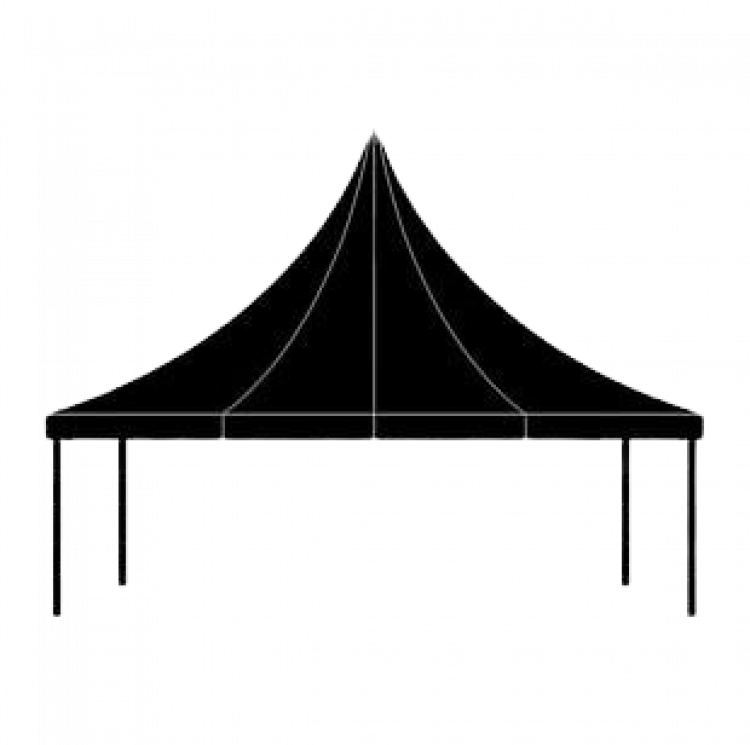
A small shade tent may work beautifully for a gift table or concession station, while a larger frame tent may be better for seating, food service, or a community gathering. Larger structures have more surface area for wind to push against, so they require careful planning and appropriate anchors.
Sidewalls deserve special attention. They can provide welcome relief from sun, light rain, or a passing breeze. However, sidewalls can also increase wind pressure on the tent. If wind conditions change, a trained crew may recommend removing certain sidewalls, opening entrances, or changing the setup. The goal is not to make the tent look perfect in every moment. The goal is to keep guests and equipment safe.
For backyard parties, do not crowd a tent with more tables, chairs, or activities than it can safely hold. Keep tent legs visible and protected from bumps, especially when kids are running between games, bounce houses, snack tables, and party activities.
Watch the Forecast and Make a Real Backup Plan
A weather check should happen before booking, again a few days before the event, and again on the morning of the party. South Florida weather can be wonderfully sunny at noon and stormy by midafternoon. Paying attention early gives you options.
Wind advisories, thunderstorm warnings, lightning, heavy rain, and rapidly increasing gusts all call for extra caution. A tent is not a shelter from lightning. If lightning is present or expected nearby, guests should move to a safe, enclosed building or vehicle when appropriate.
A good backup plan answers a few practical questions: Can the party move indoors? Can the start time shift? Is there a covered area in a permanent building? Can food, gifts, or activities be relocated quickly? For a school, church, or community event, identify the decision-maker who can pause activities or direct guests if conditions change.
It depends on the forecast and the tent setup, but sometimes the safest choice is to delay, reduce the tent footprint, remove sidewalls, or cancel the tent portion of an event. That can feel disappointing, especially when everyone is ready for a big celebration. Still, no photo, party schedule, or vendor timeline is worth taking chances with high winds or lightning.
Keep the Tent Safe Throughout the Party
Once guests arrive, the job is not finished. Assign an adult, event coordinator, or rental professional to keep an eye on the setup. They should know where the anchors are, watch for shifting fabric or lifting edges, and listen for changes in the weather.
Keep tent legs clear of bags, coolers, strollers, and decor that could hide a problem or become a trip hazard. Avoid hanging heavy decorations, speakers, signs, balloons, or lights from the frame unless the tent manufacturer and rental provider have approved them. Extra weight and wind-catching decorations can place stress on the structure in ways that are easy to overlook.
If the wind rises, do not ask guests to hold tent poles or pull fabric down by hand. Move people away from the structure and contact the setup team or follow the event safety plan. Children should never be asked to help with tent adjustments.
Pair Tents With a Smart Party Layout
A tent works best when it supports the flow of the event. Place food and seating under cover, but keep high-energy activities in their own clearly defined areas. Inflatable attractions, games, foam activities, and the Firetruck Party Experience™ all need sufficient open space and their own setup requirements.
This layout keeps pathways open, reduces crowding around tent legs, and gives guests room to move comfortably if a quick weather adjustment is needed. It also creates a better experience: adults have shade and seating while kids have room to play.
Why Professional Setup Brings Peace of Mind
Tent installation is not simply unfolding a canopy and adding a few chairs. A professional rental team considers ground conditions, tent capacity, anchoring needs, clearance, weather, delivery access, and event layout before guests walk in.
At High Rise Party Rentals, clean equipment, dependable delivery, and strict safety standards are part of helping families and event planners focus on the celebration instead of the logistics. If conditions at your site make a planned tent setup unsuitable, an experienced team can help identify a safer option before your event is underway.
The best party plans leave room for flexibility. Choose the right tent, give it the anchors and space it needs, keep an eye on the forecast, and be ready to adjust when South Florida weather has other ideas. That preparation lets your guests enjoy the shade, the snacks, and the fun with confidence.