










The first bell has not rung, but the field is already buzzing: teachers are setting up stations, students are spotting the giant slide, and volunteers are asking where they can help. That is the feeling you want when you organize school field day – excited kids, prepared adults, and a plan that keeps the fun moving instead of creating a dozen last-minute problems.
A great field day is not about packing the schedule with the most activities. It is about giving every student a chance to participate, cheer for classmates, cool down, and head home talking about their favorite moment. With thoughtful timing, age-appropriate attractions, and reliable event support, your school can create a high-energy day that feels easy for staff and unforgettable for students.
Start With a Field Day Plan That Fits Your School
Before choosing games, decide what success looks like for your campus. Is field day a reward at the end of the year? A fundraiser-friendly family event? A smaller grade-level celebration? Your answer affects the schedule, staffing, equipment, and layout.
Choose the date early, especially for South Florida schools. Spring and early summer events can bring intense sun, heat, and quick rain showers. A morning start often gives students cooler temperatures and helps you finish the main activities before the hottest part of the afternoon. Build in a rain date or a simple backup plan for indoor-friendly games if conditions change.
Next, estimate attendance. Include students, teachers, support staff, parent volunteers, and any family members invited to attend. A field day for 150 elementary students needs a very different setup than a campus-wide event with 700 students. Knowing the real headcount helps you avoid long lines, not enough water, or games that are too small for the crowd.
Set a realistic budget that covers more than entertainment. Plan for water stations, ice, shade, first-aid supplies, signage, prizes, and any rental equipment. If you are bringing in inflatables, tents, tables, chairs, or concession equipment, reserve them early. The most popular event dates can fill quickly.
How to Organize School Field Day Stations
The easiest way to keep a large group engaged is to divide the event into rotating stations. Rather than releasing everyone to the same activity at once, assign classes or teams a color and give each group a rotation schedule. A bell, whistle, or upbeat music can signal when it is time to switch.
Aim for stations that balance movement, teamwork, and lower-energy breaks. A good mix may include relay races, tug-of-war, sack races, obstacle courses, a water game, and a shaded game zone. For younger children, keep instructions simple and make sure there is an easy way to participate without feeling singled out. For older students, team challenges and timed obstacle courses can add friendly competition.
Avoid making every activity a race. Some children love the spotlight; others enjoy cheering, tossing beanbags, helping score points, or taking a turn at their own pace. A field day feels more welcoming when there are multiple ways to join in.
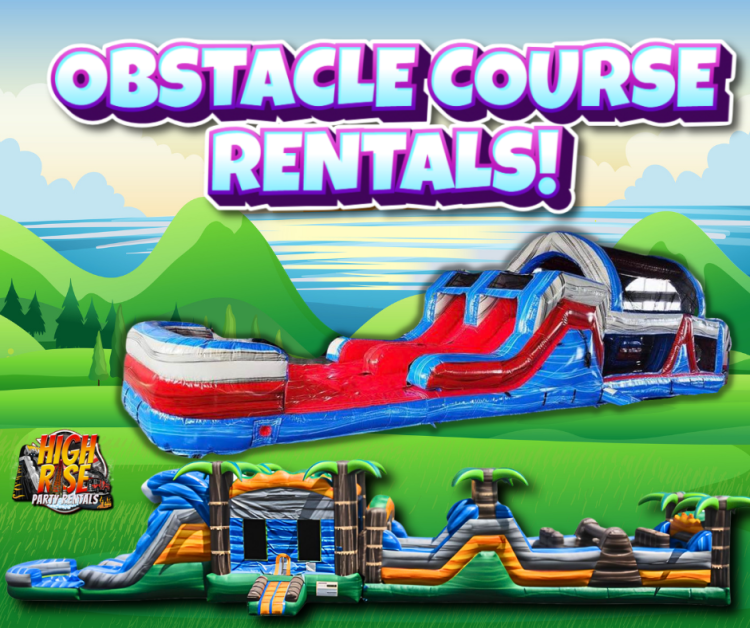
Inflatable attractions can be a major highlight, but they need to match the age group and available space. A bounce house may be perfect for younger students, while an obstacle course gives older kids the challenge and fast turnover they want. Water slides are a popular option on hot days, but they require a reliable water source, clear supervision, and a plan for wet students moving between stations.
Design for Short Lines and Fast Rotations
Long lines can drain the energy from even the best event. Whenever possible, choose activities that let several students participate at once. A large obstacle course, multiple game lanes, or two identical stations on opposite sides of the field can move more students through the fun.
Plan each rotation for about 10 to 15 minutes, with a few minutes to transition. The right length depends on your school and the age of the students. Kindergarteners may need shorter activities and more water breaks, while upper elementary and middle school groups can stay focused longer. Test the schedule on paper before event day. If a class of 30 students only gets one quick turn at a station, adjust the activity or add capacity.
Put Safety, Shade, and Water at the Center
High-energy fun works best when safety is visible, organized, and taken seriously. Walk the grounds before the event to identify uneven surfaces, sprinkler heads, traffic areas, electrical access, and the best place for tents or inflatable setups. Keep active games away from parking lots and create clearly marked entrances and exits.
Every station should have an adult lead who knows the rules, watches for unsafe behavior, and can pause the activity if needed. For inflatables, use trained attendants or designated adults who can manage capacity, footwear rules, height or age group separation, and safe entry and exit. Clean, professionally maintained equipment matters just as much as the activity itself.
South Florida heat deserves its own plan. Place water stations around the field instead of relying on one crowded table. Schedule hydration breaks, encourage sunscreen before students arrive, and use tents for rest areas, check-in tables, and volunteer stations. If the event includes water activities, make sure students know whether they should bring a change of clothes or a towel.
Have a first-aid point that everyone can find quickly. Give staff and volunteers a simple communication plan, whether that means radios, group texts, or designated runners. You do not need to make the day feel overly formal, but adults should know who handles injuries, lost students, weather decisions, and parent questions.
Make Volunteers Feel Prepared, Not Overwhelmed
Volunteers can turn a good field day into a smooth one, but only when they receive clear assignments. Send a short event guide a few days ahead with arrival time, parking details, clothing expectations, station assignment, and the name of the person they should check in with.
On event morning, gather volunteers for a quick orientation. Explain the rotation schedule, safety expectations, where to find water and first aid, and how to handle a student who needs a break. Put simple instruction cards at each station so adults do not have to remember every rule under pressure.
It also helps to assign a few floaters. These volunteers can cover bathroom breaks, replenish supplies, direct classes, and help when one station gets unexpectedly busy. That small amount of flexibility keeps teachers from having to solve every problem while supervising students.
Add One Big Moment Students Will Remember
Students remember the feeling of field day long after they forget which team won the relay. Consider adding one signature attraction that gives the event a true celebration feel. It could be a foam party area, a giant water slide, a game zone, or a surprise finale.
For a school looking for something beyond standard games, the Firetruck Party Experience™ can create a big finish with a real firetruck, lights, sirens, water, foam, and firefighter gear. It works especially well as a reward station, a fundraiser feature, or a closing celebration. The key is to schedule it carefully so each group gets a turn and the adults can maintain safe, orderly access.
Food and treats can also become part of the experience. Snow cones, popcorn, or cotton candy make a fun break between active stations, but keep service lines separate from the busiest game areas. If lunch is included, plan a shaded eating area and stagger classes so students are not all waiting at once.
Finish Strong With a Calm, Clear Exit
The last 20 minutes deserve as much planning as the first. Bring groups together for a short recognition moment, a thank-you to teachers and volunteers, or a school cheer. Keep awards light and inclusive. Celebrate teamwork, kindness, school spirit, and persistence alongside any competitive winners.
Then make dismissal simple. Have classes return to their normal pickup locations or designated shaded areas, and give teachers a clear signal when it is time to transition. Volunteers can help collect signs, refillable coolers, and loose supplies while rental teams handle equipment pickup according to the agreed schedule.
When you organize school field day with room for water breaks, adult support, and a little extra joy, the result is more than a day outside. It is a shared school memory where every student gets a chance to move, laugh, and feel part of the team. Start with a clear plan, choose partners you can trust, and leave enough space in the schedule for the best part: watching kids have a blast.