

A corporate field day should not feel like a mandatory meeting moved outdoors. It should be the day coworkers trade inboxes for friendly competition, departments mix naturally, and everyone leaves with a story worth sharing. If you are wondering how to plan corporate field day activities that people genuinely enjoy, start by designing an experience around your team, your space, and the level of energy you want to create.
For West Palm Beach and South Florida organizations, the right plan also means preparing for heat, pop-up showers, parking, setup access, and a guest list with different comfort levels. A successful event balances big fun with practical details, so employees can focus on the experience instead of wondering where to sit, cool off, or find the next activity.
Start With the Purpose, Not the Games
Before choosing an obstacle course or making team shirts, decide what the day is meant to accomplish. Is this a summer employee appreciation event? A team-building day after a busy season? A family-friendly company picnic where spouses and children are invited? The answer shapes nearly every choice that follows.
A team-building event may benefit from mixed-department teams and activities that require communication. An employee appreciation day can lean more heavily into open play, great food, shaded seating, and attractions people can enjoy at their own pace. For a client-facing or community event, presentation, crowd flow, and visible safety procedures deserve extra attention.
Set two or three clear goals. For example, you may want to increase cross-team interaction, give employees a true break from work, and provide fun for families. Keeping goals simple helps prevent the event from becoming overloaded with activities that look good on paper but compete for time and space.
Choose a Date and Venue Built for Comfort
In South Florida, weather is a real planning factor, not a footnote. Choose a date that gives you enough lead time to reserve popular attractions and secure your venue. Morning starts are often more comfortable during warmer months, while late afternoon events can work well when there is plenty of shade and lighting.
When evaluating a park, office campus, sports field, or private venue, look beyond the square footage. Confirm where delivery vehicles can enter, whether the surface is grass or pavement, where electricity and water are available, and how restrooms will be handled. Ask about insurance requirements, noise rules, parking, and whether the venue permits inflatable entertainment or water activities.
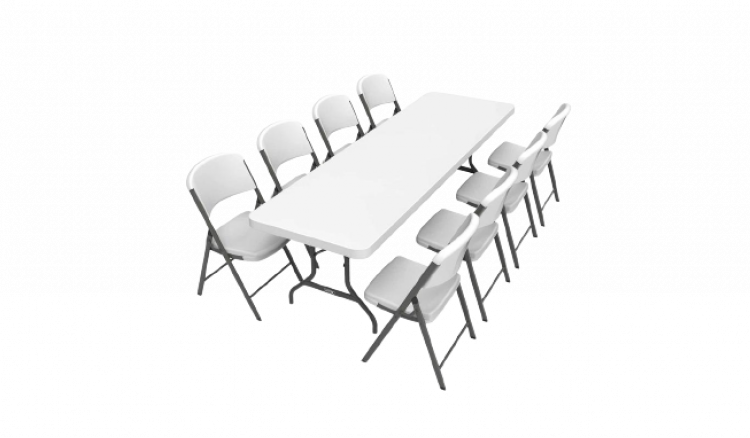
Shade is one of the most valuable amenities at a Florida field day. Tents give guests a place to reset between games, protect food and check-in areas, and make the event more welcoming for employees who may not want to spend the entire day in direct sun. Add tables and chairs rather than assuming guests will stand all afternoon.
Build a Rain and Heat Plan Early
A weather plan should feel calm and clear, not last-minute. Decide who has authority to delay, adjust, or cancel outdoor activities, and communicate that process to staff before event day. Keep water stations easy to find, schedule active games with breaks in between, and make shaded rest areas part of the layout.
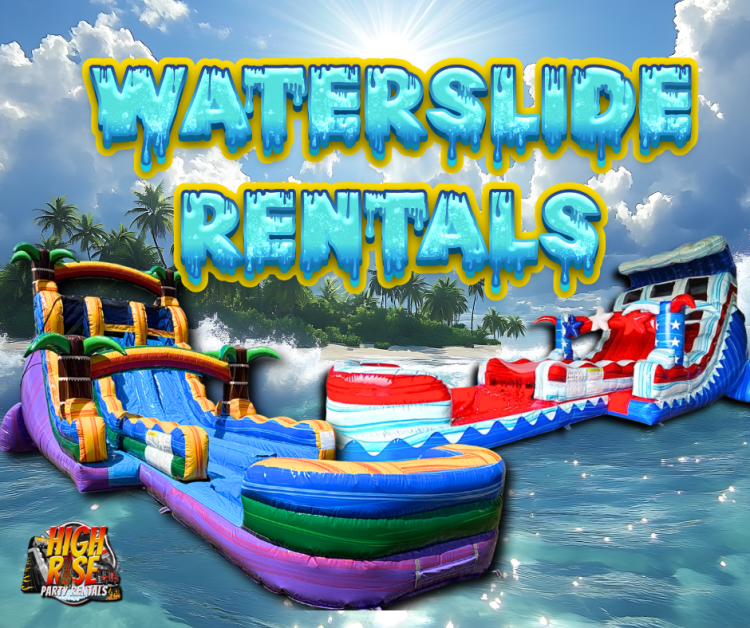
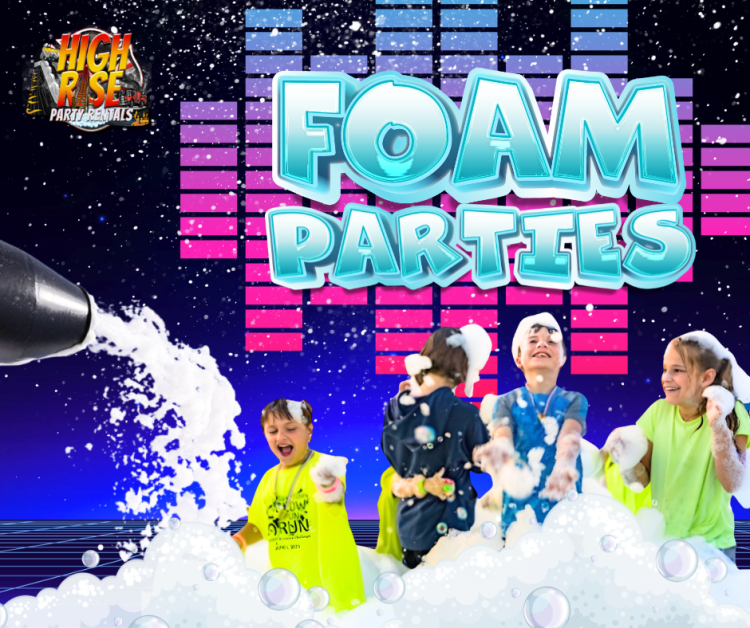
If water is available and appropriate for your audience, water slides or foam activities can be a huge draw on hot days. They are especially effective for family field days, but they require towels, changing considerations, clear participation rules, and a layout that keeps wet traffic away from food, registration, and electrical equipment.
Create a Mix of Activities for Every Energy Level
The best corporate field days do not make every person compete in the same way. Some employees will jump into a relay race immediately. Others may prefer a casual game, a photo moment, or cheering from a shaded table. Offer different ways to participate, and the event will feel more inclusive from the first hour.
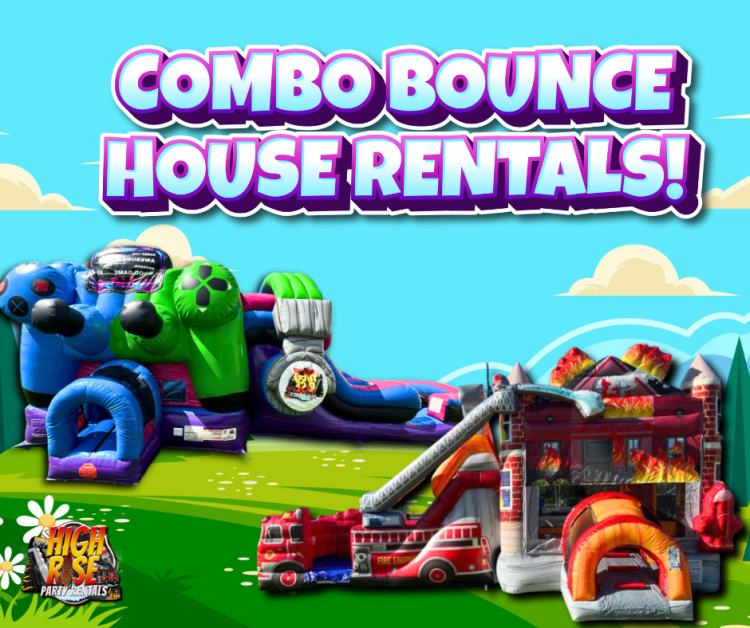
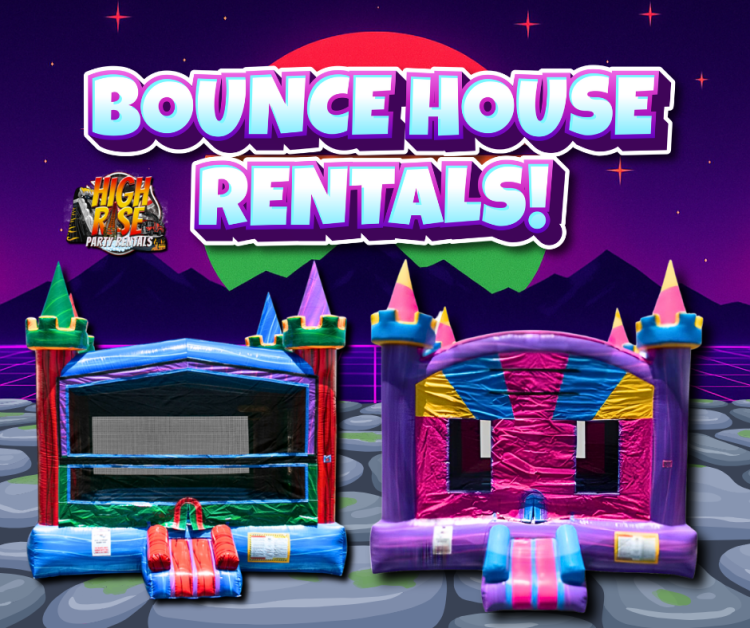
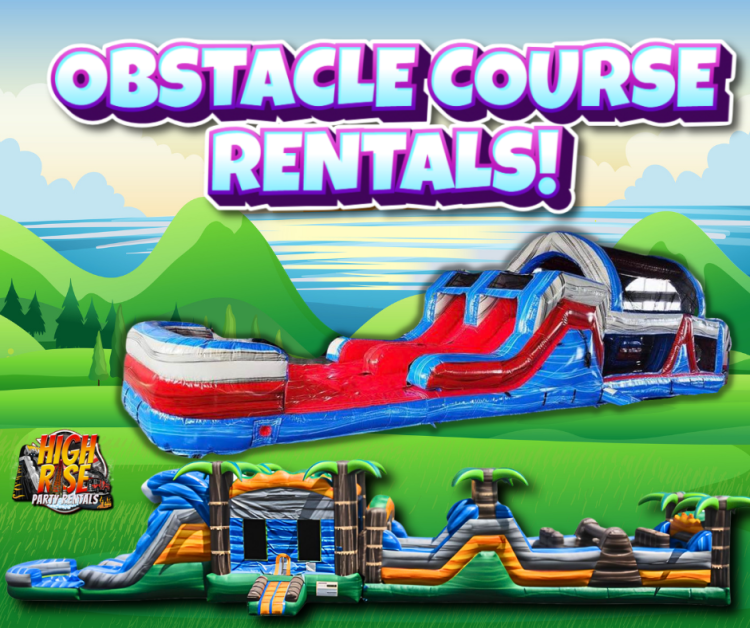
Start with one or two high-energy anchors, such as an inflatable obstacle course, interactive challenge, or team relay station. These attractions create visual excitement and give the day a natural center of attention. Then round out the plan with lower-pressure options like yard games, oversized games, a lounge area, or a concession station.
For a larger crowd, use activity zones instead of placing everything in one long line. A competition zone can hold relays and obstacle challenges. A family fun zone can include bounce houses or kid-friendly games. A refreshment zone can combine seating, shade, and concessions. This setup spreads guests across the venue and reduces bottlenecks.
Avoid choosing games based only on what looks exciting in photos. Consider mobility needs, age ranges, attire, and physical comfort. A competitive activity can be memorable, but no employee should feel pressured to climb, run, get wet, or participate in something that does not work for them.
Make Team Competition Friendly and Fair
Competition brings energy, but overly complicated rules can drain it fast. Keep scoring simple enough that a volunteer can explain it in 30 seconds. Points for participation, teamwork, creativity, and spirit can matter just as much as winning a race.
Mix teams across departments whenever the goal is connection. Give each team a color, a simple name, and a gathering spot. If your company culture loves a little friendly rivalry, add a rotating trophy or small prizes. If the event is more relaxed, skip the final scoreboard and focus on activity passports, raffle entries, or shared challenges.
Have a host or event lead keep the momentum moving. This person can announce activity times, recognize great team spirit, remind guests about hydration, and redirect attention when one station becomes crowded. Good hosting makes even a simple field day feel organized and special.
Plan the Layout Like a Guest Experience
A great event layout answers questions before guests have to ask them. Place check-in near the entrance, then use clear signs to point people toward activities, restrooms, food, seating, and first aid. Keep high-traffic areas open and avoid placing inflatable attractions too close to dining tables or quiet gathering spaces.
Think through the path a guest takes from arrival to departure. They should be able to park, check in, find their team or family area, grab water, and understand what is happening without hunting down an organizer. If children are attending, establish a visible meeting point and make sure family activities are easy to identify.
Professional delivery and setup matter here. Equipment should be clean, properly secured, and positioned with safe access in mind. At High Rise Party Rentals, clean equipment, strict safety standards, and dependable event support help planners create high-energy events without adding unnecessary stress to their own to-do list.
Assign People to the Details
Even with a rental partner handling delivery and setup, your organization needs a small event team. Assign a lead for registration, a point person for vendors, activity monitors, food coordination, and safety communication. These responsibilities can overlap for a smaller event, but they should never be left vague.
Give every volunteer a short briefing before guests arrive. Cover the schedule, activity rules, emergency contacts, weather procedures, and where to direct questions. A confident team behind the scenes creates a relaxed experience in front of the scenes.
Get Food, Drinks, and Breaks Right
Food is not an afterthought at a field day. It is one of the easiest ways to make employees feel appreciated. Your menu can be simple, but it should match the timing, heat, and activity level of the event. Cold water should be available from the start, with sports drinks or other nonalcoholic options if the day is especially active.
Concession machines can add a fun, familiar touch without turning food service into a complicated production. Think popcorn for a casual afternoon, snow cones for a hot-weather crowd, or cotton candy for a family event. If you are serving a full meal, schedule it so guests do not have to choose between eating and the main activities.
Build in a natural reset period. A 20- to 30-minute window for food, music, and shade helps guests recharge before the next round of games. It also gives event staff time to check supplies, manage lines, and make any needed adjustments.
Communicate Clearly Before Event Day
The invitation sets expectations. Let employees know the date, time, location, parking instructions, what to wear, whether families are invited, and whether activities include water or physical challenges. Share a simple schedule, but leave room for people to enjoy the event without watching the clock.
A reminder the day before should include weather guidance, what to bring, and any safety notes. Encourage comfortable clothes, closed-toe shoes for certain activities, sunscreen, and towels if water attractions are part of the plan. Clear communication makes attendance feel easy, which usually improves turnout.
Measure What Made People Smile
After the field day, do more than count attendance. Ask employees what activity they liked most, whether the timing worked, and what they would change next year. Notice which stations drew crowds and which ones sat empty. Those details are more useful than a generic comment that the event was fun.
A corporate field day is a chance to show your team that their time together matters. Plan for comfort, make room for every personality, and choose attractions that create genuine laughs instead of forced participation. When the logistics are handled with care, all your employees have to do is show up, connect, and enjoy the party.