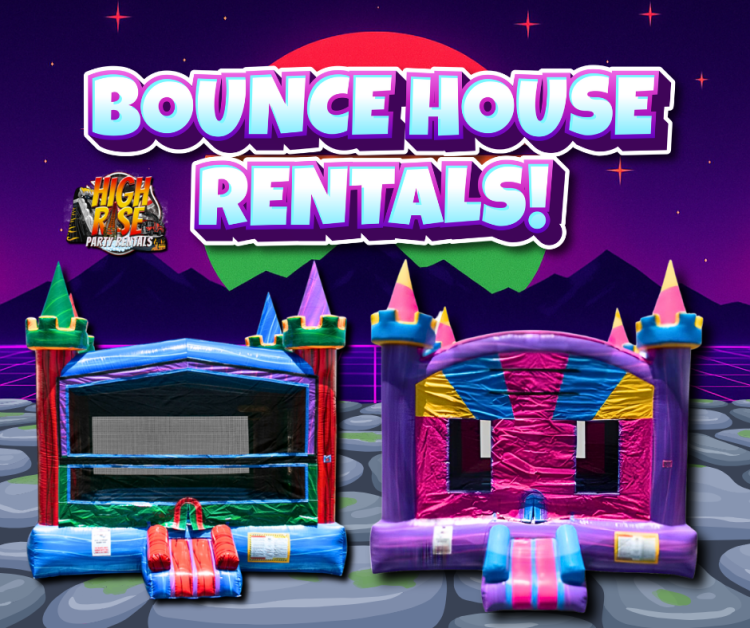
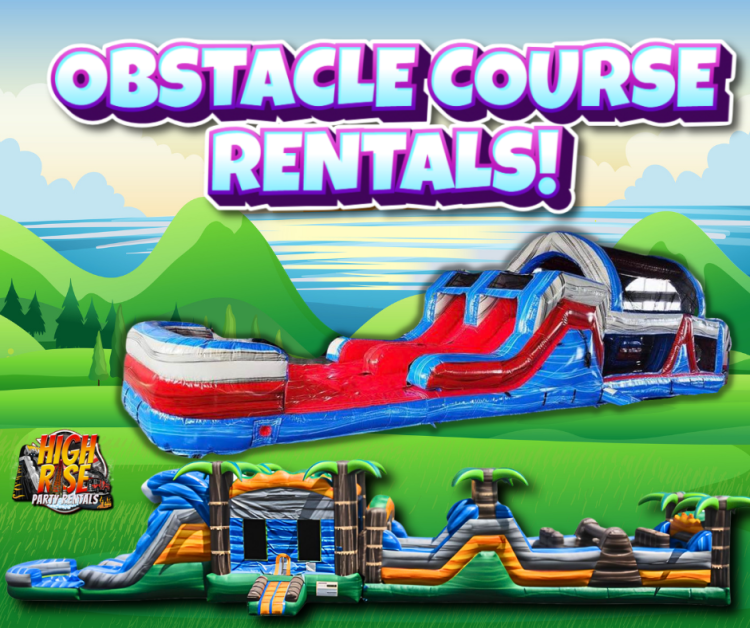


A bounce house may look like it is standing still, but it is working the entire time your guests are jumping. So, do bounce houses need power? In almost every case, yes. Inflatable bounce houses, slides, obstacle courses, and combo units rely on an electric blower running continuously to stay inflated and safe for play.
That does not mean power has to complicate your party plans. With a nearby outlet, a clear setup area, and the right rental team, the blower is simply part of the behind-the-scenes work that keeps the fun going. Here is what West Palm Beach families and event planners should know before party day.
Do Bounce Houses Need Power All Day?
Yes. A bounce house needs a constant power source from the moment it is inflated until it is taken down. The blower pushes air into the inflatable nonstop, replacing the small amount of air that naturally escapes through seams and entrance openings while children play.
It is normal for a bounce house to feel firm but not rock-hard. The walls and floor are designed to have some give for safe bouncing. If the blower is switched off or loses power, however, the unit will begin to deflate. Everyone should exit immediately if that happens, and an adult should make sure the blower is restarted only after the area is clear.
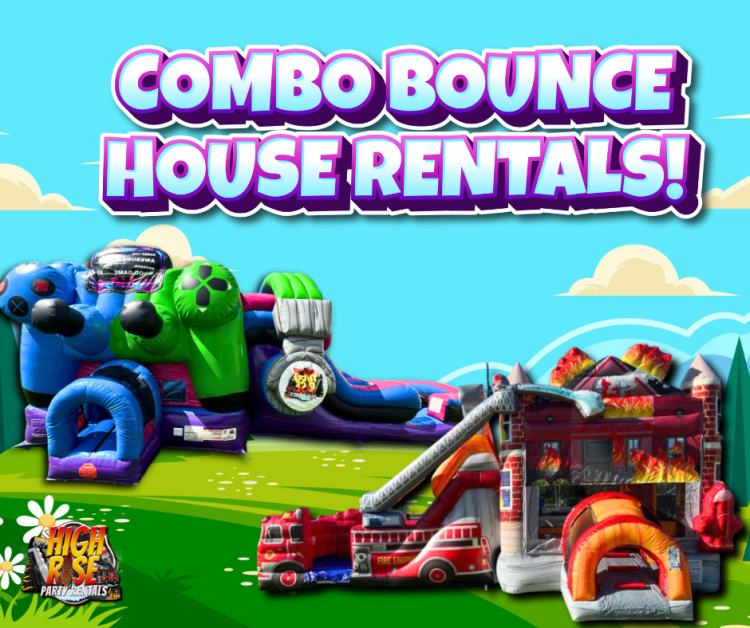
Most standard residential inflatables use one blower and plug into a standard, grounded household outlet. Larger attractions, including tall slides, obstacle courses, or certain wet-and-dry combo units, may use more than one blower. More blowers can mean more electrical capacity is needed, so it is always smart to discuss your event location and rental choice before delivery.
What Kind of Outlet Does a Bounce House Use?
For many backyard bounce house rentals, a standard 120-volt outlet is all that is needed. The outlet should be in good condition, grounded, and close enough to the setup area for a properly rated extension cord if one is required.
The key detail is that the inflatable blower should have its own dedicated circuit whenever possible. In plain terms, avoid sharing that circuit with a refrigerator in the garage, speakers, food warmers, a snow-cone machine, phone chargers, patio lights, and other party equipment. Too many items running on one circuit can trip a breaker and stop the blower.
Outdoor outlets with GFCI protection are a particularly good choice. A GFCI outlet is designed to cut power quickly if it detects an electrical problem, which adds protection in outdoor spaces and around moisture. If it trips, do not repeatedly reset it without identifying what caused the issue.
Never use a damaged outlet, frayed cord, loose plug, or extension cord that is not rated for outdoor use. It may be tempting to make something work minutes before guests arrive, but electrical shortcuts are not worth the risk at a children’s event.
How Far Can the Bounce House Be From Power?
This depends on the blower, the extension cord, and the rental company’s setup policies. A longer distance does not automatically mean a problem, but it does require the right equipment. Thin, lightweight household cords can overheat or cause voltage drop when they are stretched too far, which can affect blower performance.
Before booking, take a quick look at your yard or venue. Identify the outlet you expect to use and estimate the path from that outlet to the proposed setup space. Let your rental provider know if the location is especially far away, across a driveway, or on the opposite side of a large property.
Keep cords out of walkways whenever possible. If a cord must cross a path, it should be secured and protected so guests cannot trip over it and it cannot be pinched by doors, gates, vehicles, or lawn equipment. Do not run electrical cords through standing water, under rugs, or across a pool deck where they may get wet.
When Is a Generator Needed for a Bounce House?
A generator is the answer when there is no safe, reliable outlet near the setup area. This is common at parks, open fields, parking-lot events, school carnivals, church festivals, and large community gatherings. It can also be useful for a backyard event where the available circuits are already committed to other essential equipment.
Generators are not one-size-fits-all. The generator must provide enough running wattage for the blower or blowers, with room for any other equipment sharing that power source. A large inflatable paired with a concession machine, DJ equipment, or lighting package may require much more capacity than a single standard bounce house.
For that reason, it is best not to guess. Share your full event plan with your rental company: the inflatable you want, the number of blowers, the location, and any other items needing power. A professional team can help identify whether a generator is needed and what size is appropriate.
Generator placement matters, too. It should sit outdoors on stable, dry ground, away from guests, doors, windows, and air intakes. It needs to be protected from curious children and placed where exhaust will not drift toward the party. Generators can be loud, so positioning helps keep the party atmosphere lively without putting the hum of equipment next to the cake table.
Power Planning for Water Slides and Foam Parties
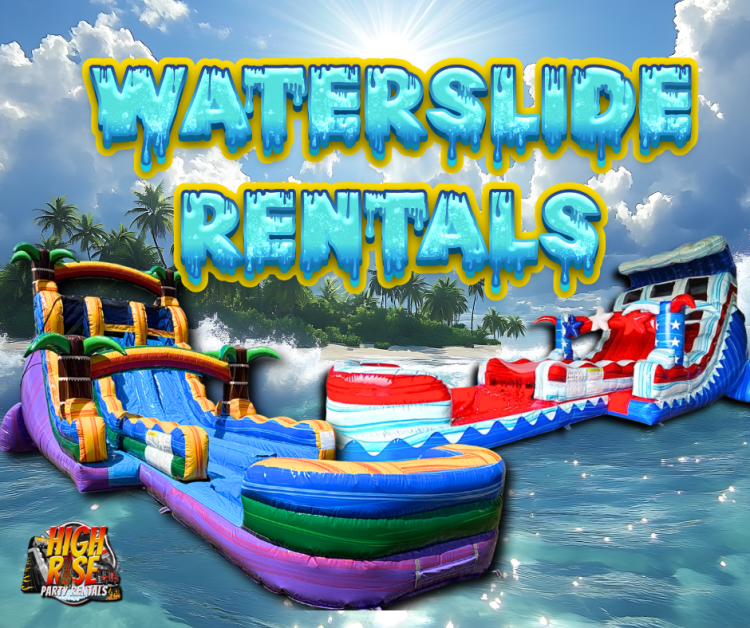
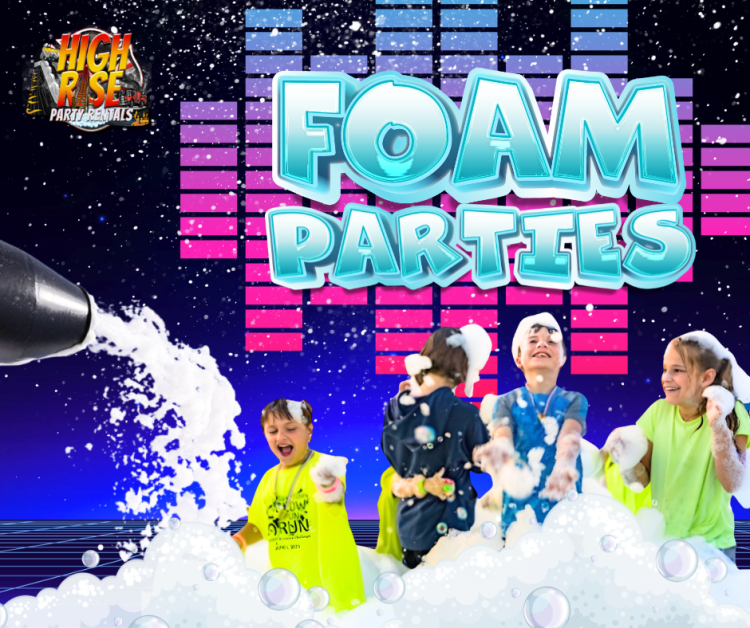
South Florida parties often include water slides and foam, which makes electrical planning even more important. The inflatable blower itself still needs electricity, while the slide or foam setup may also need access to water. These are separate needs, and both must be considered during site planning.
A water slide should be set up on suitable ground with a safe water connection nearby and electrical cords kept well away from water flow. Hoses should not spray toward outlets, plugs, power strips, or the blower. The same common-sense separation applies to foam party equipment. Water, foam, and electricity can all be part of an unforgettable event, but the setup must be managed carefully.
If rain is in the forecast, ask about your rental company’s weather and safety procedures. A little planning before the event is much easier than trying to move equipment after the skies open up.
A Simple Power Check Before Delivery
You do not need to be an electrician to get ready. A quick check a day or two before delivery can prevent last-minute stress. Make sure the outlet works, clear a path to the setup area, and identify which circuit it is on if you can. Avoid running power-hungry appliances on that same circuit during the party.
Also think beyond the bounce house. If you are adding tables and tents, speakers, concessions, a water slide, or a special attraction, map out where each part of the event will go. This creates room for safe access, keeps cords organized, and helps the delivery crew set up efficiently.
At High Rise Party Rentals, the goal is to make the exciting parts of party planning feel easy. Clean, properly set up equipment and clear communication about your location help create the kind of day guests remember for the laughter, not for a tripped breaker.
What Happens If the Power Goes Out?
Power interruptions are uncommon when the setup is planned correctly, but every supervising adult should know the response. If the blower stops, calmly tell all riders to exit right away. Do not let anyone continue playing on a softening inflatable, and do not allow children to climb on the walls while it deflates.
Once everyone is out, check the obvious causes from a safe distance: a disconnected plug, a tripped breaker, or a generator that has shut down. Do not attempt electrical repairs or use makeshift cords. Contact the rental provider if you cannot restore safe power promptly.
The best party setup is not just about having a great bounce house. It is about giving it the reliable power, clear space, and thoughtful supervision it needs so the jumping, sliding, and celebrating can keep going strong.