







A great school fun day feels effortless to students: they race through an obstacle course, cool off with friends, grab a snow cone, and head home talking about their favorite moment. Behind that excitement is a smart school fun day planning checklist that gives staff, volunteers, and vendors a clear plan before the first bell rings.
For West Palm Beach schools, the biggest details are often the ones that protect the fun: managing South Florida heat, creating safe activity zones, planning for rain, and keeping students moving without long lines. Start early, assign clear roles, and build the day around the age groups and space you actually have.
Start Your School Fun Day Planning Checklist Early
Choose the date at least six to eight weeks ahead when possible. Check the school calendar for testing, field trips, early-release days, sports events, and holidays that could affect attendance or staffing. A Friday may sound ideal, but a weekday with more available volunteers and fewer competing events can be the better choice.
Next, decide what success looks like. Is the goal a reward for students, a fundraising event, a field-day alternative, or a family celebration after school? Your answer affects the schedule, admissions plan, food needs, and equipment choices. A student-only event can run in rotating grade-level blocks, while a community event needs a stronger check-in process, guest supervision, and a plan for parking.
Set a realistic budget before choosing attractions. Include rentals, delivery and setup, food and drinks, tables and chairs, tents, permits if required, staff support, prizes, signage, and a small reserve for last-minute needs. The lowest rental price is not always the best value if it leaves your team responsible for major setup, cleanup, or safety logistics.
Map the Space Before You Book Activities
Walk the campus with your facilities lead. Measure usable areas, identify power access, locate water connections, and note sprinkler heads, uneven ground, low tree branches, gates, and fire lanes. A field may look wide open until you need room for inflatable anchoring, queue lines, shaded waiting areas, and adult supervision.
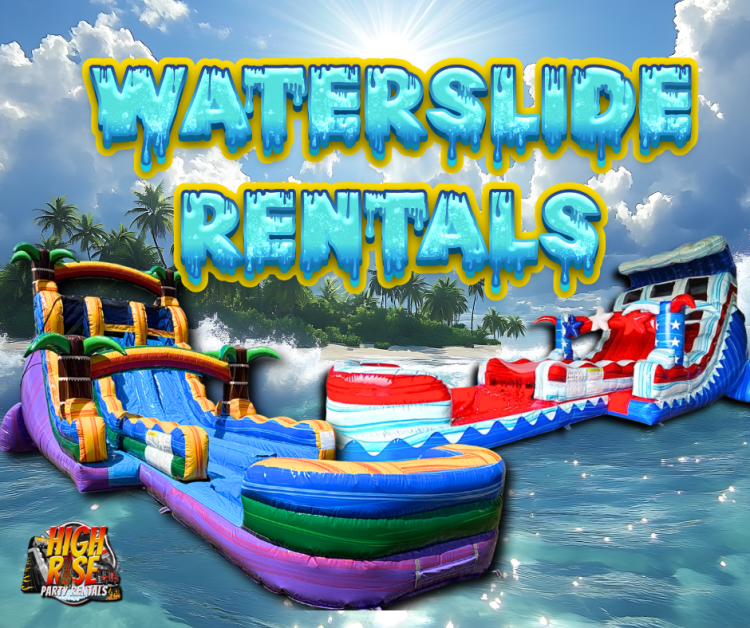
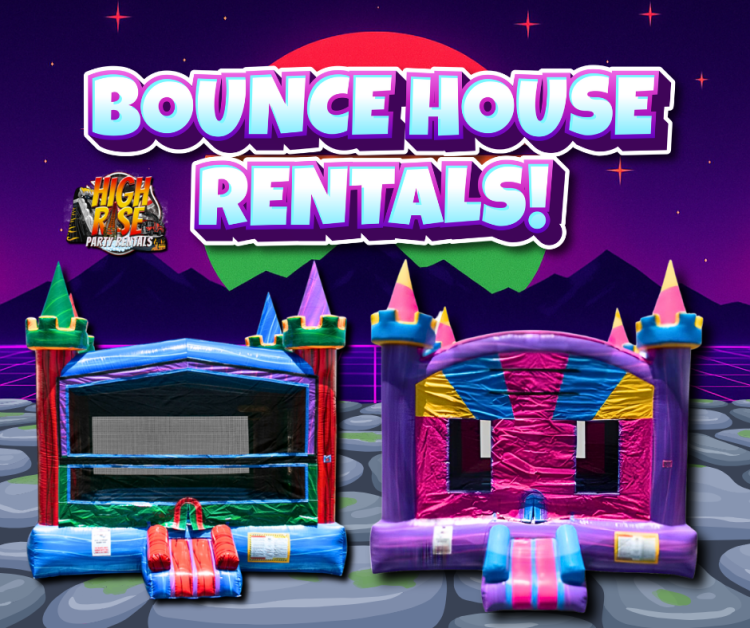
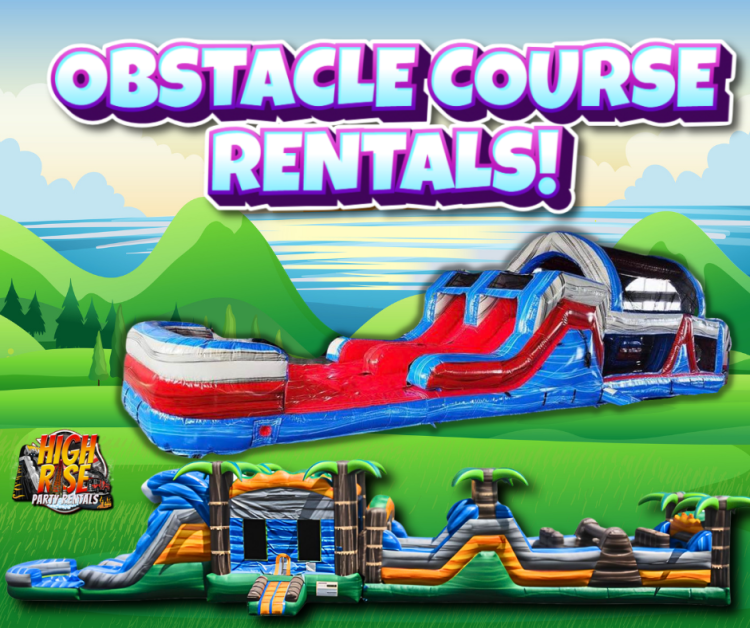
Create zones that make sense for the flow of the day. Keep high-energy attractions away from quiet areas, first aid, and food service. Place water attractions where runoff will not create slippery walkways or flood a doorway. If you are using an inflatable slide, obstacle course, or bounce house, allow space around each unit for safe entrances, exits, and attentive supervision.
For a large campus event, consider separating the fun into four zones:
- Active play, with obstacle courses, sports games, and inflatable attractions
- Water play, with water slides and a designated drying area
- Food and cool-down, with shade, seating, water, and concession stations
- Check-in and support, with wristbands, lost-child procedures, first aid, and event information
This layout reduces crowding and gives volunteers a clearer area to manage. It also helps students who need a break from noise and activity without making them feel left out.
Choose Attractions for the Students You Have
A fun day does not need every attraction available. It needs the right mix. Younger elementary students often enjoy bounce houses, simple games, and foam play, while older students may prefer competitive obstacle courses, larger slides, team challenges, or a memorable centerpiece.
Match each activity to its recommended age range and capacity. One popular attraction with a slow turnover can create a 30-minute line and frustrate everyone. For a school with several hundred students, multiple medium-capacity stations often work better than one oversized feature. Alternating high-energy stations with lower-key games also helps students pace themselves.
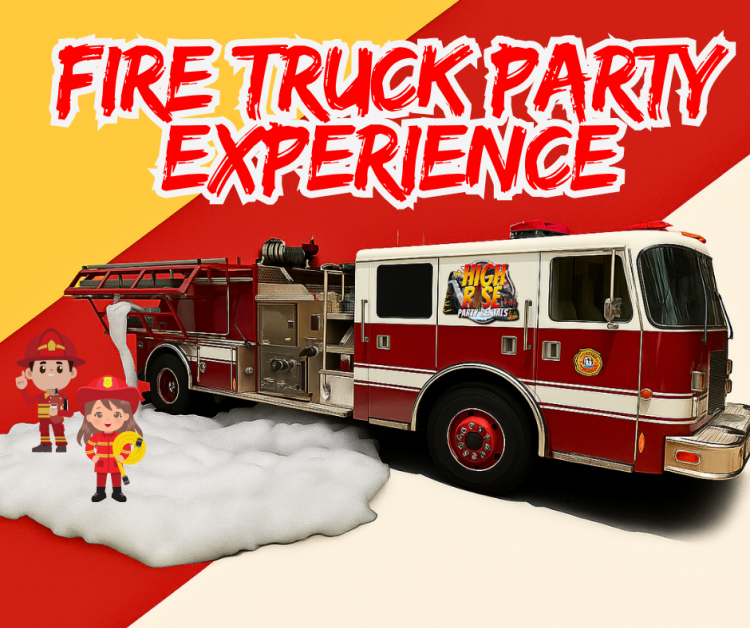
If your school wants a true wow moment, specialty experiences can do more than fill time. High Rise Party Rentals’ Firetruck Party Experience™ brings lights, sirens, water, foam, and firefighter gear into one high-energy attraction that students will remember long after the event. It works especially well as a featured station with scheduled group rotations.
Build a Schedule That Keeps Lines Moving
Avoid an open-ended schedule where every class arrives at once. Divide students into groups by grade, classroom, or color-coded wristband. Give each group a station rotation and allow a few minutes to transition. A sample rotation could include 20 minutes of play, five minutes to move, then the next activity.
Keep the first rotation slightly lighter than the rest. Students need time to arrive, hear expectations, and settle into the routine. Build water breaks into the schedule rather than hoping teachers remember them during a busy morning. In warm Florida weather, shaded rest areas and easy access to drinking water are part of the event plan, not optional extras.
Have a weather decision time set in advance. Monitor conditions closely, but do not wait until students are standing outside to decide what happens if rain moves in. Depending on your campus and event type, your backup may be a delayed start, an abbreviated schedule, covered activity areas, or an indoor game plan. Confirm weather and cancellation policies with every vendor before booking.
Cover Safety, Permissions, and Staffing
School fun is at its best when families and staff feel confident that the details are covered. Confirm campus rules around outside vendors, electrical use, water use, food service, insurance documentation, and vehicle access. Your school district may have requirements that affect where equipment can be placed and who can operate it.
Every activity needs an adult assigned to it for the full event, not a volunteer who is also trying to take photos, answer parent questions, and run to get supplies. For rentals, ask whether trained attendants are available and what supervision is still expected from school staff. The answer can vary by attraction, so get it in writing and brief everyone before the event begins.
Your safety plan should include clear procedures for the following:
- Student check-in, wristbands, and guest identification
- First aid, medication access, emergency contacts, and a designated response lead
- Lost-child procedures and a visible family reunification point
- Lightning, heavy rain, heat concerns, and equipment shutdown instructions
- Food allergies, accessibility needs, and accommodations for students who do not participate in every activity
Share these procedures with teachers, volunteers, administrators, and rental partners. A one-page event map and contact sheet can prevent a lot of confusion when the campus gets busy.
Plan Food, Shade, and the Details Families Notice
Food stations are part of the experience, but they can become a bottleneck fast. Keep menus simple and plan for service speed. Popcorn, snow cones, cotton candy, prepackaged snacks, and bottled water are easy crowd-pleasers when organized with a clear line and enough supplies. If lunch is included, stagger meal times by grade level.
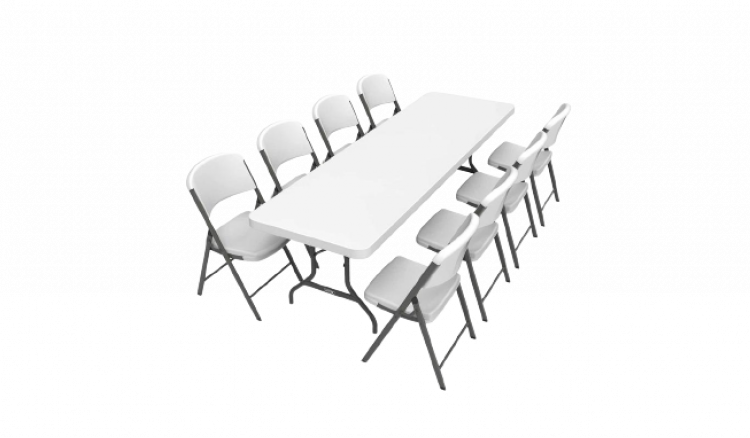
Tents, tables, and chairs are worth planning with the same care as the entertainment. Shade gives students and volunteers a place to recharge, protects food service areas, and makes a hot day more comfortable. Place seating where adults can still see nearby activity zones. A few extra tables for registration, staff belongings, and first aid will be appreciated more than you expect.
Do not overlook simple communication tools. Use signs with station names, rotation colors, age guidelines, and hydration reminders. Give teachers the schedule in advance. Tell families what students should wear, whether they need a change of clothes for water activities, and whether towels, sunscreen, or closed-toe shoes are recommended.
Confirm the Final Details 72 Hours Before
Three days before the event, confirm delivery and setup times, campus entry instructions, the on-site contact person, power and water access, and the final equipment list. Make sure gates will be unlocked when vendors arrive and that cars are not parked in setup areas.
Walk through the day with your volunteer leads. Confirm who handles check-in, who monitors each zone, who restocks water, and who makes the call if weather changes the plan. Prepare a small event kit with tape, markers, zip ties, scissors, extra wristbands, sunscreen, trash bags, paper towels, and a printed contact list.
On fun day, let the schedule guide you without becoming rigid. A station may need a few extra minutes, a class may arrive late, or the heat may call for an added water break. When the foundations are strong – clean, safe equipment, dependable setup, enough shade, and adults who know their roles – you can adjust calmly and keep the celebration moving.
The best closing thought for any school fun day is simple: students will not remember your spreadsheet, but they will remember feeling included, safe, and wildly excited to be there. Plan the logistics with care, then give them room to make the kind of happy, noisy memories school should be full of.