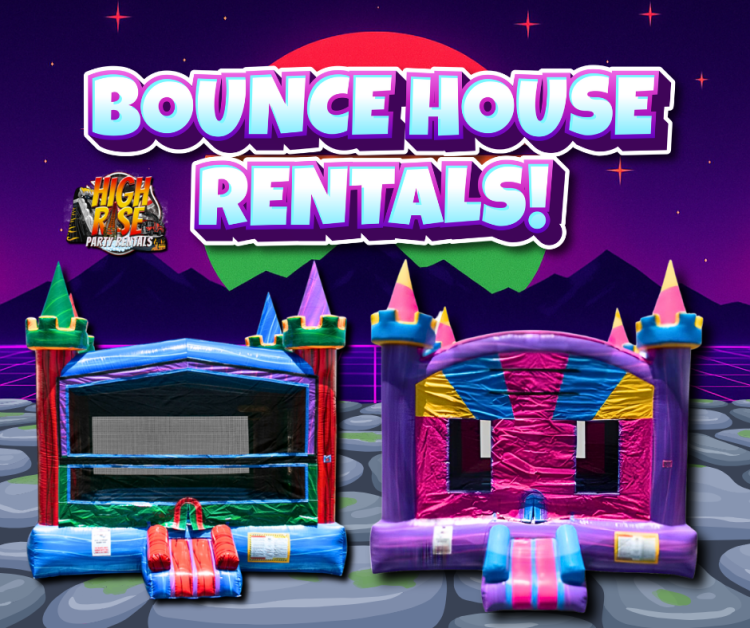

The fastest way to turn party excitement into last-minute stress is realizing on event day that the inflatable will not fit, the outlet is too far away, or the setup area is not safe. That is why understanding bounce house rental requirements before you book makes such a big difference. A little planning upfront helps everything run smoother, keeps guests safer, and makes it much easier to enjoy the fun once the party starts.
For parents, schools, churches, and event organizers, the good news is that most requirements are simple. You usually do not need to figure out complicated logistics on your own. You just need to know what the rental company will ask for, what the setup space needs, and what rules matter for your type of event.
What bounce house rental requirements usually include
Most bounce house rental requirements fall into a few basic categories: space, surface, power, access, supervision, weather, and event-specific rules. The exact details can vary depending on the inflatable you choose. A standard bounce house has different needs than a large obstacle course, water slide, or combo unit with a slide attached.
This is where customers sometimes get surprised. They see the inflatable dimensions online and assume that is the only number that matters. In reality, safe setup usually needs extra clearance around the unit for staking, blower placement, entry space, and general safety. If a bounce house is listed as 15 feet by 15 feet, the usable setup area often needs to be larger than that.
That is also why the event location matters just as much as the inflatable itself. A backyard party, a school field day, and a church festival may all need the same type of attraction, but the requirements for access, permits, and power can be very different.
Space and surface requirements matter more than most people expect
The first thing any rental company needs to know is where the inflatable will be set up. That includes the size of the area, the type of surface, and whether the setup space is level and clear.
Grass is often the easiest surface for a bounce house because it allows for secure staking and usually provides a straightforward setup. Concrete, asphalt, turf, and indoor spaces can also work, but they may require different anchoring methods. That is not a small detail. Proper anchoring is a core part of inflatable safety, so the setup surface should always be confirmed ahead of time.
The area also needs to be free of obstacles. Tree branches, fences, sprinkler heads, rocks, low roofs, overhead wires, and pool edges can all create problems. Even if the inflatable technically fits, it may not be safe if the surrounding area is too tight.
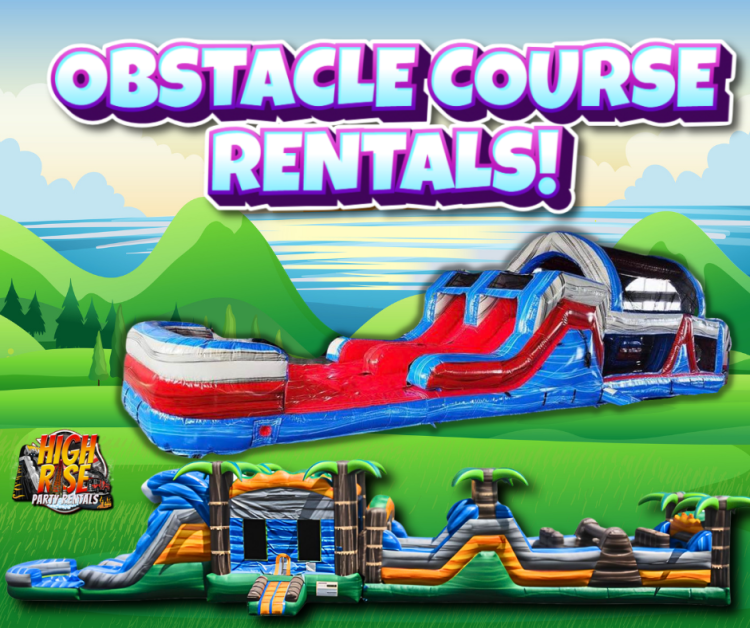
For larger units like obstacle courses or water slides, access can become the deciding factor. A narrow side gate, steep hill, or soft muddy path may make delivery harder or, in some cases, impossible. If the route from the truck to the setup area is limited, it is smart to mention that during booking instead of hoping the crew can work around it on arrival.
Power is one of the biggest bounce house rental requirements
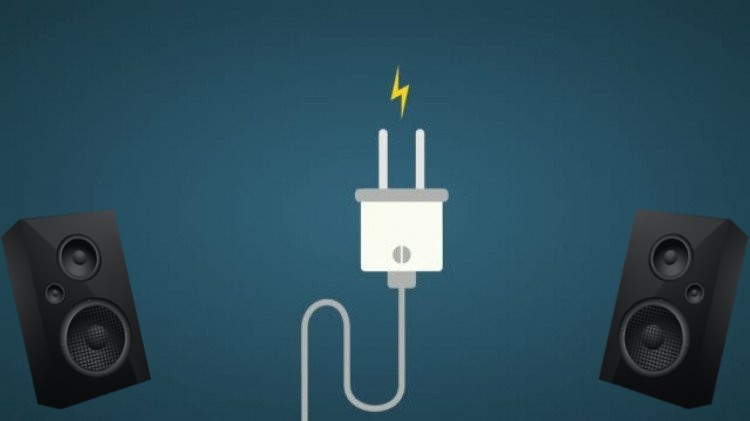
Every inflatable needs a blower, and every blower needs power. That means one of the most important bounce house rental requirements is access to a reliable electrical outlet within an appropriate distance of the setup area.
For many backyard events, this is simple. A standard outlet may be enough for a smaller bounce house. But bigger inflatables, multiple units, or add-ons can require additional circuits or more planning. If you are hosting a large event in a park, school, or open field, power can become a major part of the setup plan.
Generators may be needed when outlets are not nearby or when the site does not have dependable electricity. That is especially common for festivals, corporate events, and community gatherings. It is always better to ask early than assume on-site power will be available and sufficient.
It also helps to think about what else is sharing that power. If the same circuit is running music equipment, concession machines, or other event items, that can affect performance. A good rental partner will help you sort that out before event day.
Adult supervision is not optional
One of the most consistent rental requirements is adult supervision. Bounce houses are meant to be fun, high-energy attractions, but they still need active oversight while guests are using them.
That means more than having adults somewhere nearby. Someone should be paying attention to the number of children inside, how they are using the inflatable, and whether age or size groups should be separated. A packed bounce house with toddlers and older kids jumping together is not just chaotic – it can raise the risk of collisions and falls.
Shoes should come off before entering, and sharp objects, food, drinks, and rough play should stay out. These rules may sound basic, but they are part of what keeps the experience fun instead of stressful. At school, church, and public events, some organizers choose to add attendants for extra support, especially when multiple attractions are running at once.
Weather rules are there for a reason
In South Florida, weather can shift quickly. Sunshine can turn into wind and rain in a hurry, especially during certain times of year. That is why weather policies are a key part of bounce house rental requirements.
Inflatables should not be used in unsafe wind conditions or during lightning and severe weather. Water and electricity around blowers and cords also need careful handling. If conditions change during your event, the inflatable may need to be shut down until it is safe to resume.
This can feel frustrating when you are focused on the party, but safety has to come first. A dependable rental company will have clear weather guidelines and will not cut corners just to keep the attraction running. That kind of professionalism matters, especially for events with lots of children and busy foot traffic.
Permits and venue rules depend on the location
Backyard birthday parties are usually the simplest. Public parks, schools, churches, HOAs, and corporate venues can involve extra steps. Some locations require permits. Others require proof of insurance, designated setup zones, or approval from facility management before equipment can be delivered.
This is where it really pays to ask questions early. If you are booking for a school carnival or a community event, do not assume the venue handles everything automatically. Some organizers are surprised to learn that vehicle access times, generator restrictions, or turf protection rules affect what can be installed.
If your event is at a park, you may also need to confirm whether stakes are allowed in the ground. If they are not, alternative anchoring may be necessary, and that should be planned ahead of time.
Capacity, age range, and attraction choice all matter
Not every inflatable is right for every crowd. One of the most overlooked parts of booking is matching the unit to the age group and event size.
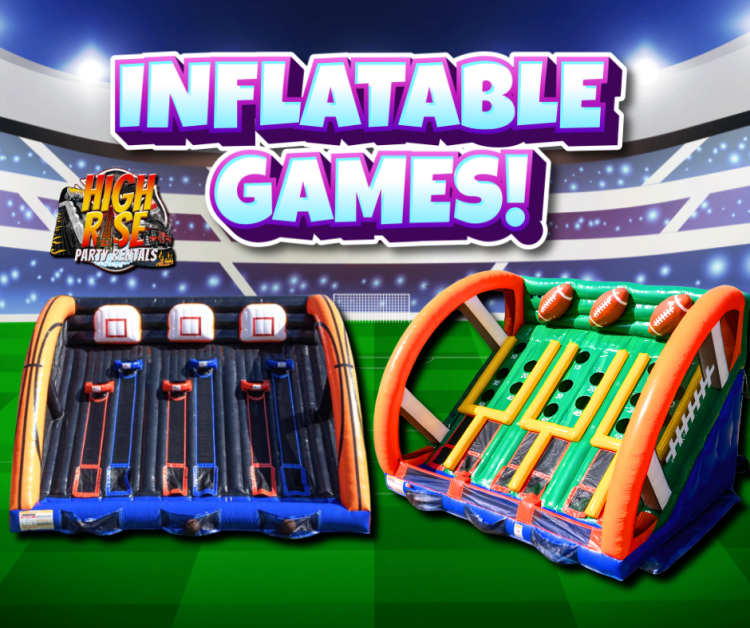
A standard bounce house can be perfect for a younger birthday party in a backyard. A school field day may need larger inflatables that handle more movement and turnover. A corporate family event might benefit from a mix of attractions so younger children, older kids, and even adults have something to enjoy.
Choosing the wrong size or style can create problems. Too small, and guests spend more time waiting than playing. Too large, and you may pay for more equipment than your space or guest count really needs. The best fit depends on the event goals, the ages attending, and how long guests will be rotating through the attraction.
That is one reason many families and organizations appreciate working with a full-service company. When the same provider can help with inflatables, tents, seating, concessions, and support equipment, it becomes much easier to build an event plan that actually works together.
What to have ready before delivery day
A smooth setup usually comes down to good communication. Before delivery, it helps to confirm the setup location, measure the space, clear the area, and make sure pets, parked cars, and yard items are out of the way.
You should also know who will be on-site to meet the delivery team and approve placement. Once an inflatable is installed and secured, moving it is not usually a simple request. That is why placement decisions should be handled carefully from the start.
If your event has gates, limited access times, or special venue instructions, share those in advance. The more complete the information, the easier it is to deliver on time and set up correctly.
For families and event planners who want the fun without the guesswork, companies like High Rise Party Rentals make this process much easier by helping customers sort through space, safety, and setup details before the big day arrives.
The best parties feel effortless for guests, but that usually happens because the planning was thoughtful behind the scenes. When you understand the requirements ahead of time, booking a bounce house feels a lot less like a risk and a lot more like what it should be – one of the easiest ways to bring big energy, big smiles, and real peace of mind to your event.