








A great company picnic should not feel like another meeting with hamburgers. It should give employees, families, and guests room to relax, laugh, and make memories together. This corporate picnic planning guide will help you build an event that feels easy for attendees while keeping the behind-the-scenes details organized, safe, and under control.
For West Palm Beach and South Florida teams, the biggest factor is usually not whether people want to attend. It is whether the event is comfortable, convenient, and worth spending a weekend afternoon outdoors. Good food matters, but shade, activities, timing, and a clear plan matter just as much.
Start Your Corporate Picnic Planning Guide With a Clear Goal
Before comparing parks, menus, or rental options, decide what the picnic needs to accomplish. A casual employee appreciation day has a different feel from a client-facing family festival or a company milestone celebration. The goal drives the guest list, budget, schedule, and entertainment choices.
Ask whether the event is primarily for employees, employees and their families, or the wider community. If children will attend, plan for them from the beginning rather than adding one small activity at the end. A kid-friendly picnic is more likely to keep parents relaxed, which means adults can actually enjoy the event, too.
Set a realistic attendance estimate early. Start with the number of employees, then account for spouses, children, vendors, and leadership guests. It is smart to plan for a little more than your confirmed RSVP count, especially for open, family-friendly events. The right venue, seating, food quantities, and entertainment capacity all depend on this number.
Pick a Venue That Works in Real Life
A scenic outdoor location looks great in a planning deck, but it must also work on event day. Look for a venue with enough level space for tents, tables, games, food service, and entertainment. Confirm where delivery vehicles can enter, where guests will park, and how far equipment must travel from the unloading area.
South Florida weather deserves its own planning conversation. Heat, bright sun, surprise rain, and afternoon storms can change the mood quickly. A pavilion can help, but it may not provide enough coverage for a large group. Tent coverage, fans, water stations, and a rain plan are practical investments that protect the entire experience.
Check the venue rules before booking anything. Some parks require permits, certificates of insurance, specific setup locations, or approved vendors. Others restrict generators, amplified music, grills, water attractions, or vehicle access. Getting those answers in writing prevents a frustrating surprise when vendors arrive.
Build the Layout Around Guest Comfort
Think of the picnic site as a small event campus. Place food and drinks where people can reach them easily, but keep busy activity zones away from serving lines. Put seating in shaded areas when possible, and create clear walkways between tents, restrooms, games, and parking.
For family events, separate high-energy attractions from quieter spaces. Adults with toddlers may appreciate an area away from older kids racing through an obstacle course. A simple layout also makes supervision easier and gives every guest a better experience.
Create a Budget With Room for the Essentials
The lowest initial quote does not always create the best value. Corporate picnic budgets should cover the parts guests notice first: food, comfort, shade, seating, activities, and reliable support. Cutting seating or tent space to add one more attraction can leave people hot, tired, and ready to leave early.
Divide the budget into venue and permits, food and beverages, rentals, entertainment, staffing, décor or signage, and a contingency fund. The contingency does not need to be huge, but it gives you options if attendance grows, weather calls for additional coverage, or timing changes require extra staff.
Rental packages can make planning much easier because they combine infrastructure with fun. Tables, chairs, tents, concession machines, yard games, inflatables, and event attendants are not separate finishing touches. Together, they shape how long guests stay and how much they enjoy the day.
Plan Food for the Schedule and the Weather
A picnic menu should be easy to serve, easy to eat outdoors, and suitable for a mixed crowd. Grilled favorites, boxed lunches, taco stations, and barbecue can all work well, depending on the group size and venue setup. Consider the event timing before committing to a menu. A noon picnic needs a more substantial meal than a late-afternoon gathering built around snacks and desserts.
Offer clear options for guests with dietary needs. Vegetarian choices, kid-friendly items, and clearly labeled allergens are thoughtful details that reduce stress at the serving table. Keep cold drinks plentiful and accessible. In the Florida heat, hydration is part of guest comfort, not an optional extra.
Avoid putting all food service into one long rush. Staggering the schedule with welcome activities, games, or a short recognition moment can prevent a line from becoming the center of the event. If the crowd is large, multiple serving stations are often worth the added cost.
Choose Entertainment for Every Age Group
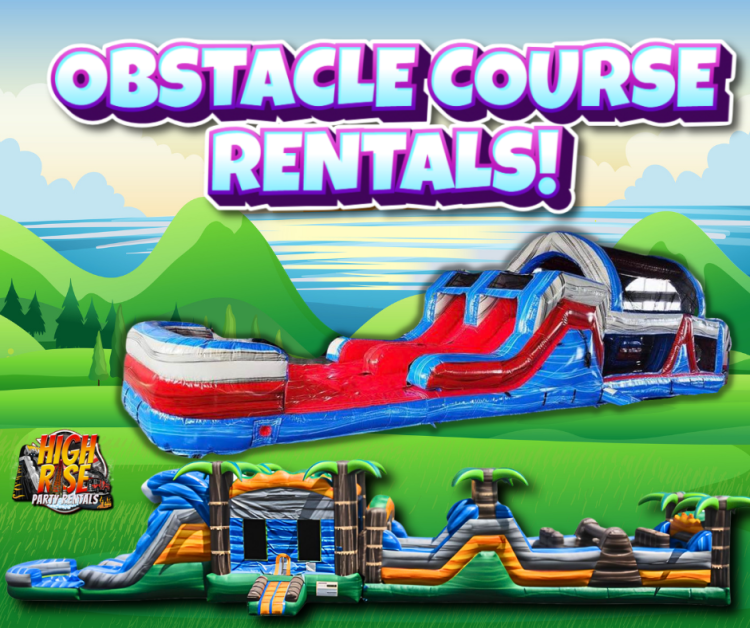
The most memorable corporate picnics give guests something to do beyond eating and making small talk. The best mix depends on your audience. A team with many young families may love bounce houses, water slides, foam fun, carnival-style games, and an obstacle course. A more adult-focused company outing may call for lawn games, music, friendly competitions, and comfortable lounge seating.
Do not assume one attraction will entertain everyone for hours. A better approach is to offer a few activity types: active play, casual games, kid-focused fun, and places to sit and talk. This gives introverts, grandparents, energetic kids, and competitive coworkers each a reason to stay engaged.
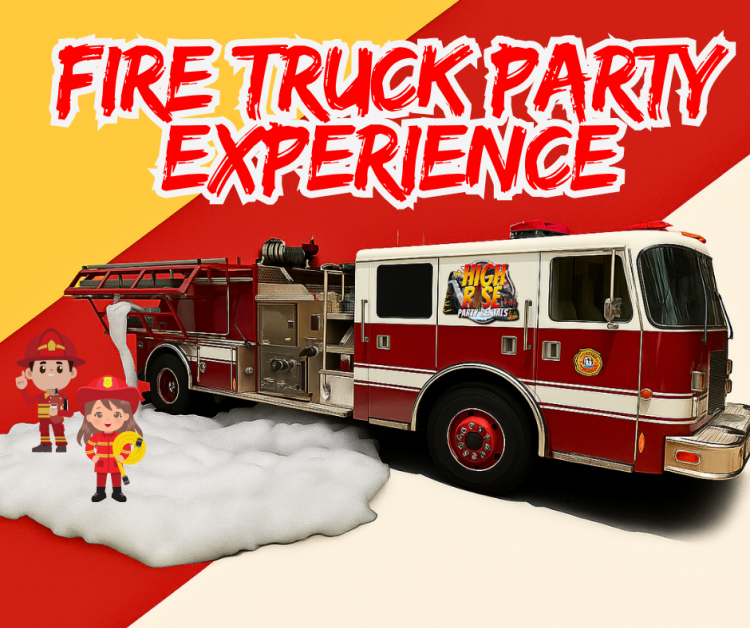
For a true crowd moment, consider a specialty experience rather than another standard activity. High Rise Party Rentals’ Firetruck Party Experience™ brings a real firetruck, lights, sirens, water, foam, and firefighter gear to the event. It can be a standout fit for a family-focused company picnic, especially when you want the day to feel bigger than a typical park gathering.
Make Safety Visible, Not Complicated
Fun works best when guests feel confident that the setup is professionally managed. Choose clean, well-maintained equipment and ask how it will be secured, supervised, and sanitized. If you rent inflatables or water attractions, confirm the required power source, water access, surface requirements, and attendant needs before event day.
Assign a point person for each major area: food, check-in, activities, and weather decisions. Guests should know where to find first aid, water, restrooms, and event staff without having to search. Visible signage and a short welcome announcement can handle most questions before they become interruptions.
Build a Schedule That Still Feels Relaxed
A corporate picnic needs structure, but it should not feel overprogrammed. Give people time to arrive, grab a drink, and settle in before announcements or activities begin. Keep formal remarks brief. Employee recognition can be meaningful, yet a long presentation under a tent is not what most guests expect from a picnic.
A simple flow works well: arrival and open activities, food service, a short welcome or recognition moment, games or specialty entertainment, then a final stretch for dessert and casual conversation. If the event includes a raffle or prizes, announce them early enough that guests have a reason to remain, but avoid holding people hostage until the final minute.
Have a weather decision timeline. Know who can call for a delayed setup, move activities under cover, or end water attractions if conditions change. Communicate that plan to vendors and internal organizers in advance so decisions are quick and consistent.
Confirm Details Before the Big Day
One week before the picnic, review the guest count, site map, delivery schedule, vendor contacts, permits, and weather plan. Confirm setup and pickup windows, especially if the park limits vehicle access. Share a single run-of-show with the planning team so everyone knows who is responsible for what.
The day before, send attendees a friendly reminder with the location, start time, parking information, attire suggestions, and any details they need to know, such as swimwear for water activities. This small message can prevent confusion and help guests arrive ready for fun.
A successful picnic is not about packing every minute with activities. It is about making people feel welcomed, comfortable, and appreciated. Give your guests shade, good food, safe entertainment, and space to enjoy one another, and the event will keep working long after the last table is packed away.