











A great field day is not the one with the most activities. It is the one where students are moving, laughing, and cheering while teachers know exactly where every group needs to be next. This school field day guide helps South Florida schools create that kind of high-energy day without turning the planning committee into exhausted referees.
The secret is simple: build the event around clear rotations, age-appropriate fun, and a weather-ready site plan. Add dependable equipment, plenty of shade and water, and a few memorable attractions, and field day can feel like the school celebration students talk about long after the final whistle.
Start Your School Field Day Guide With a Clear Goal
Before choosing games, decide what the day should accomplish. A field day for elementary students may focus on movement, teamwork, and simple wins. A middle school event may need more challenge, faster rotations, and activities that do not feel too young. Some schools also use field day as a fundraiser, attendance incentive, end-of-year celebration, or family engagement event.
That purpose affects every planning choice, from the schedule to the equipment you reserve. A smaller school may run one shared event in a morning. A larger campus may need grade-level time blocks across a full day. If families are invited, plan for seating, shade, food service, and a clear check-in area from the start.
Set a realistic attendance count, including students, staff, volunteers, and spectators. This number helps determine how many stations, tables, tents, and activity lanes you need. It also prevents a common field day problem: 80 students waiting in the sun for a station designed for 15.
Build Stations That Keep Students Moving
The best field day schedule uses stations with short, predictable rotations. For younger students, 10 to 15 minutes per station is usually enough. Older students can stay engaged for 15 to 20 minutes, especially with obstacle courses, team relays, or competitive games.
Plan more than one activity style. Not every child wants to race, and not every student is comfortable with water activities. Give groups options that reward cooperation, balance, creativity, and persistence along with speed. A mix also keeps the event accessible for students with different abilities.
Choose a balanced activity mix
A strong station lineup often includes active games, cooling stations, and lower-intensity activities. Consider these distinct categories:
- Relay races, sack races, and cone challenges for classic team energy
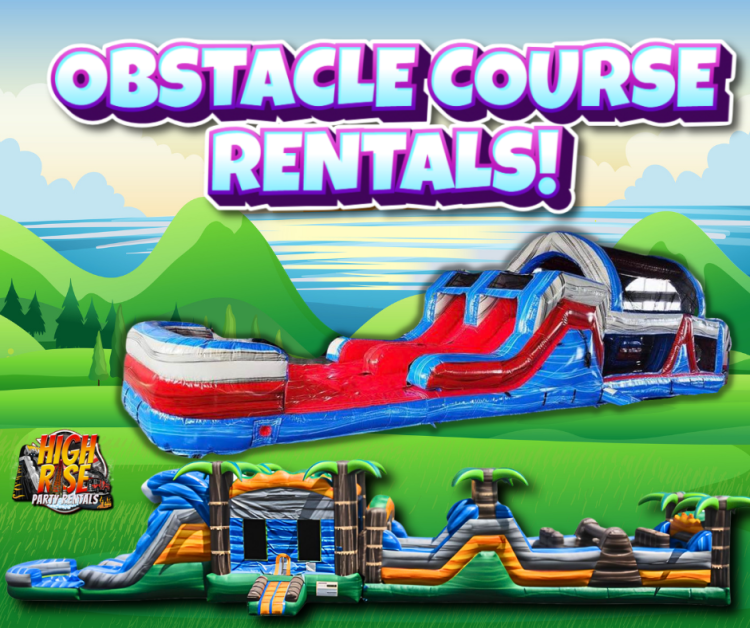
- Inflatable obstacle courses for high-capacity movement and friendly competition
- Water slides, splash activities, or misting stations for warm South Florida dates
- Foam party areas for a big visual moment and a cool-down break
- Carnival-style games for students who prefer skill-based play over racing
- Team challenges such as hula hoop passes, parachute games, or bucket relays
The right mix depends on your campus space and age groups. Water activities are a huge hit in late spring, but they require a clear wet-zone plan, supervision, and a place for students to change or store towels. If your school has limited access to water, dry obstacle courses and interactive games can still create plenty of excitement.
Inflatables work especially well when they are selected for throughput, not just appearance. A large obstacle course can cycle groups through more efficiently than a single-lane attraction. Younger students may do better with a bounce house or smaller challenge course, while older students often enjoy timed obstacle runs or sports-style games.
Map the Campus Before Booking Equipment
Walk the event area with your facilities team before finalizing the activity list. Measure usable open space, identify entrances and exits, and look for potential traffic bottlenecks. Keep emergency access open at all times and do not place stations where students must cross parking lots or delivery lanes repeatedly.
Create zones rather than scattering activities across campus. Put high-energy attractions in one area, water activities in another, and food or rest areas away from active play. This helps teachers supervise their groups and gives volunteers a clearer assignment.
For rentals, confirm the setup surface, access route, electrical availability, and water access where needed. Grass is often ideal for inflatables, while pavement may work for certain games and tables. A professional rental partner can help match attractions to the available footprint, but the school should still confirm campus rules, gates, setup times, and sprinkler schedules.
Do not underestimate shade. In West Palm Beach and surrounding South Florida communities, a sunny field can become uncomfortable quickly. Tents, canopies, and covered rest areas give students and staff a place to reset between stations. They also protect check-in tables, first-aid supplies, electronics, and concession equipment.
Make Safety Easy to See and Follow
Safety is part of the fun because it lets everyone relax and participate. Assign a lead adult to every station and make sure each volunteer understands the activity rules before students arrive. A laminated station card is helpful: it can show the activity name, capacity, time limit, key rules, and what to do if a student needs help.
For inflatable or water attractions, follow the operator instructions, capacity limits, and age or size guidelines. Students should remove shoes, sharp objects, and loose accessories before entering. Keep a clear line at the entrance, separate participants by size when appropriate, and never let an attraction become self-supervised simply because the schedule is busy.
A practical safety plan should cover at least these four areas: first aid, hydration, weather, and student accountability. Set up a visible first-aid location, designate who can contact the school nurse or emergency services, and tell every teacher where it is. Provide water refill stations and scheduled drink breaks, not just a suggestion to drink when students feel thirsty.
For accountability, teachers should carry class rosters and know their assigned rotation order. Color-coded wristbands, grade-level shirts, or simple group signs can make transitions much easier. If students are allowed to visit concessions or restrooms during field day, establish a buddy system and a clear return point.
Prepare for Heat, Rain, and Last-Minute Changes
A Florida field day needs a Plan B before the first game begins. Check the forecast in the days leading up to the event, but also prepare for conditions to change quickly. Lightning, heavy rain, high winds, and extreme heat can require activities to pause or move indoors.
Decide in advance what happens in each scenario. For a brief rain shower, you may be able to delay rotations and use tents or covered walkways. For lightning or severe weather, move students to designated indoor areas and suspend outdoor attractions until conditions are safe. If the forecast looks poor all day, an indoor game rotation, pep rally, or postponed event may be the smarter choice.
Heat deserves the same attention. Schedule the most physically demanding stations early, build in cooling breaks, and watch students closely for signs of overheating. Staff should know that a child who becomes dizzy, unusually tired, nauseated, or confused needs immediate attention, not encouragement to finish one more round.
Give Volunteers a Simple, Specific Job
Field day volunteers are most helpful when they know exactly what success looks like. Avoid assigning someone to “help wherever needed.” Instead, assign a station, a time block, a location, and one point person to contact with questions.
Hold a short volunteer briefing before students arrive. Review arrival times, parking, safety procedures, restroom locations, break coverage, and the weather plan. Show volunteers how rotations work and remind them that enthusiasm matters. A cheerful adult who explains the game clearly can turn a simple relay into a highlight of the day.
Keep a small command center with the master schedule, extra supplies, radios or phone contacts, volunteer sign-in sheets, sunscreen reminders, and backup activity instructions. That central spot gives organizers a place to solve problems without chasing down teachers across the field.
Add One Big Memory-Making Moment
Students love consistency, but a field day should also have one moment that feels bigger than recess. It might be a foam party finale, a schoolwide obstacle course challenge, a DJ-led dance break, or a surprise visit from a specialty attraction. For schools that want a true showstopper, High Rise Party Rentals can provide clean, professionally set up entertainment and event essentials, including its Firetruck Party Experience™ with lights, sirens, water, foam, and firefighter gear.
The trade-off is timing. A major attraction can draw a crowd, so it should have a planned rotation or be saved for a grade-level finale. Build anticipation through morning announcements, but do not let one popular station disrupt the flow of the entire event.
A field day does not need a complicated schedule to feel special. When students have room to play, adults have a clear plan, and the campus is ready for South Florida weather, the day creates exactly what schools want most: safe, joyful memories made together.