









The first student racing across an obstacle course, the smell of popcorn near the ticket booth, and parents actually relaxing instead of chasing down answers – that is the kind of school carnival families remember. Learning how to organize a school carnival is less about cramming in every possible activity and more about creating a safe, well-paced event where fun is easy to find.
A great carnival needs a clear plan, reliable support, and enough breathing room for the unexpected. Start early, make smart choices about attractions and layout, and give volunteers simple jobs they can do with confidence. The result can be a high-energy fundraiser or school celebration that feels exciting from opening bell to cleanup.
Start With One Clear Carnival Goal
Before choosing bounce houses, games, or food, decide what success looks like. Is the carnival meant to raise money for a field trip? Celebrate the end of the school year? Bring families together? Your answer affects everything from admission pricing to the number of attractions you need.
A fundraiser may need ticket bundles, sponsorships, and prize-based games that encourage repeat play. A family appreciation event may be better with free entry and a smaller selection of included activities. If your school has a wide age range, build the event around options for younger children, older students, and adults rather than putting all the attention on one group.
Set a realistic attendance estimate early. Review attendance from past events, consider whether the carnival is open to the public, and account for siblings, grandparents, and neighbors. It is better to plan a comfortable event for 400 guests than to book too little space and entertainment for an optimistic crowd of 800.
Build the School Carnival Team Early
A carnival is not a one-person project. Choose a small planning committee with one person responsible for each major area: finances, volunteers, entertainment, food, marketing, and day-of operations. The event lead should keep everyone working from the same schedule, but each area needs an owner who can make decisions.
Your principal or school administrator should be involved from the beginning. Confirm campus access, approved activity areas, parking rules, restroom availability, security expectations, and any district requirements for vendors or insurance. Do not assume last year’s setup still works. Construction, new campus rules, or a different event date can change the plan quickly.
Create a simple planning calendar with deadlines for booking rentals, confirming food, recruiting volunteers, ordering tickets, and promoting the event. A few key dates prevent the familiar last-minute scramble that leaves great ideas sitting on a clipboard instead of happening on carnival day.
Choose a Safe Layout Before Booking Attractions
Walk the event site with a map in hand. Mark entrances, exits, electrical access, shaded areas, restrooms, first-aid access, and locations where delivery vehicles can safely unload. Then picture how families will move through the space.
Keep active attractions such as inflatable slides, obstacle courses, and bounce houses in a dedicated play zone with clear boundaries. Food and seating should sit far enough away that kids are not carrying drinks through busy activity lines. Put check-in, ticket sales, and information near the entrance, where families can get oriented without blocking traffic.
For South Florida schools, heat and weather deserve special attention. Offer shade through tents or covered areas, provide easy access to water, and schedule the most physical activities during cooler parts of the day when possible. Have a weather plan that states who makes the call to pause activities and where guests should go if lightning or heavy rain arrives.
Plan for Power, Surfaces, and Supervision
Inflatables and concession equipment may require power, and extension cords should never become tripping hazards in a crowded walkway. Discuss electrical needs, setup space, anchoring, and surface conditions with your rental provider before the event. Grass, pavement, and indoor spaces each have different considerations.
Every attraction needs enough room for safe lines and a clear exit. Equipment should be clean, properly set up, and supervised according to its use guidelines. For larger events, professional event attendants can take pressure off school volunteers and help keep play areas organized.
Pick Attractions That Keep Lines Moving
The best school carnivals mix big visual attractions with simple activities that move guests through quickly. A large inflatable can be a major draw, but it should not be the only thing to do. Combine it with carnival games, a photo area, music, concessions, and activities suited to different ages.
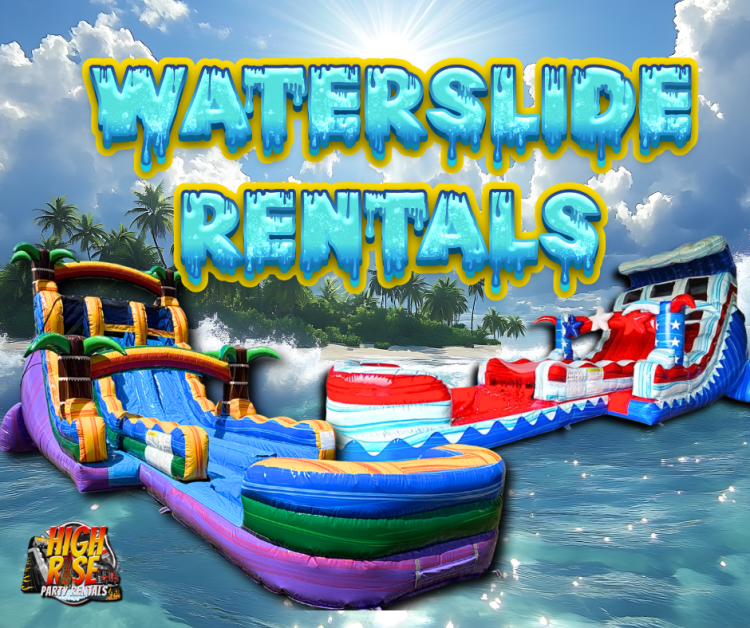
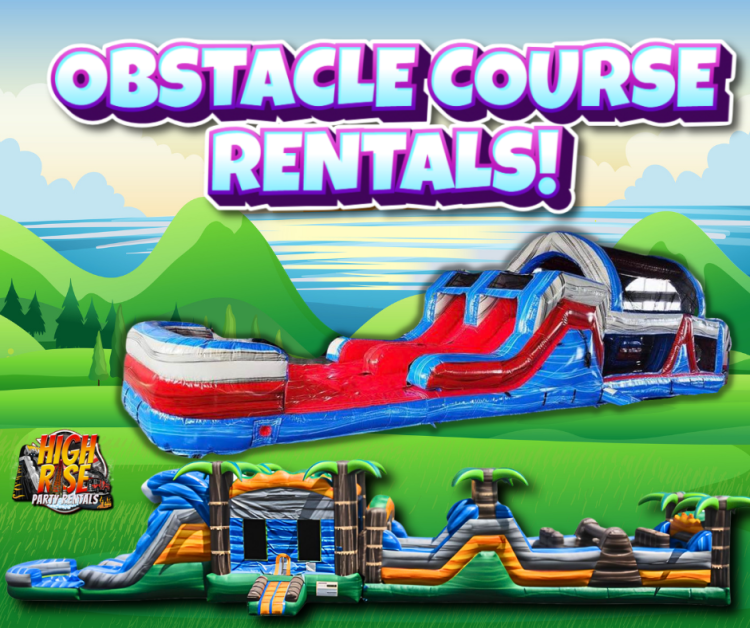
For elementary schools, bounce houses, combo units, obstacle courses, and interactive games usually create plenty of excitement. Water slides can be a huge hit in warm weather, but they require extra planning for clothing, water access, supervision, and slippery surfaces. For older students, timed obstacle challenges, sports games, and team competitions often get better participation than a standard bounce house.
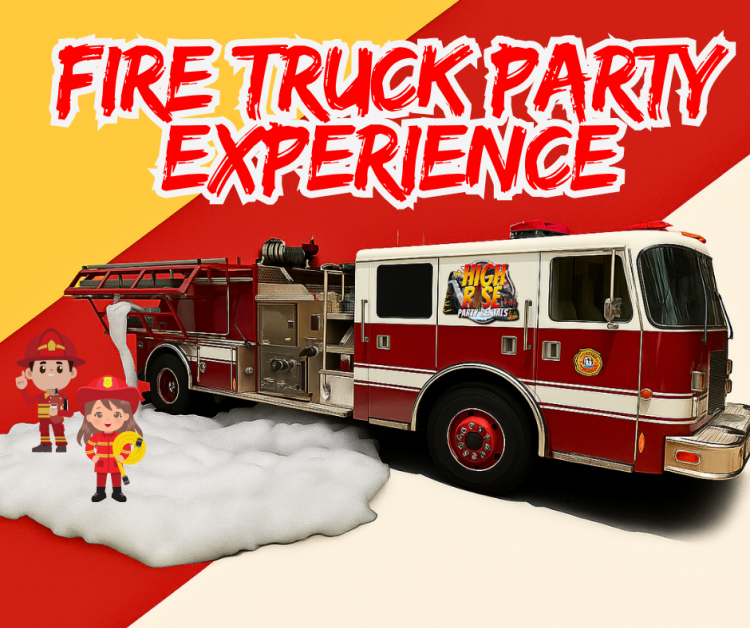
A standout feature can help turn a nice event into the event students talk about all year. The Firetruck Party Experience™ brings lights, sirens, water, foam, and firefighter gear into one memorable attraction. It works especially well when the goal is to create a big wow moment, though schools should plan the surrounding space and guest flow carefully.
Avoid overbooking similar attractions. Two activities that attract the same age group may split your budget without reducing wait times. In many cases, one larger attraction paired with several fast, low-cost game stations is the better balance.
Set a Budget That Covers the Real Costs
Start with the expenses that cannot be skipped: permits or approvals, rentals, insurance requirements, food supplies, printing, security, and cleanup. Then leave a contingency amount for surprises such as extra ice, batteries, signage, or a last-minute volunteer need.
If the carnival is a fundraiser, calculate how many tickets or wristbands you need to sell before making pricing decisions. Keep the payment system simple. Families should not have to learn a complicated set of rules while managing excited children at the entrance. A wristband can work well for unlimited play areas, while tickets make sense for individual games, food, and premium activities.
Sponsorships can offset costs without placing the full burden on ticket sales. Local businesses may sponsor a game booth, water station, prize table, or entertainment zone. Give sponsors a clear, school-approved recognition opportunity and confirm those details before accepting funds.
Recruit Volunteers for Specific Jobs
A general call for volunteers often produces a crowded group at setup and too few people at the places that need them most. Assign shifts, stations, arrival times, and a point person for every role. Share a one-page volunteer guide a few days before the event so no one has to guess where to go.
The roles that matter most include check-in, ticket sales, activity lines, game booths, food service, floaters, cleanup, and safety support. Put reliable adults in roles involving money, entrances, and busy attractions. Student volunteers can be excellent helpers for games, directions, and prize tables when they have clear supervision.
Thank volunteers in a visible, genuine way. A meal, drink station, event T-shirt, or reserved parking can make a long shift feel appreciated and encourages families to help again next year.
Make Event Day Feel Easy for Families
On carnival morning, set up before guests arrive and test every major part of the experience. Walk the entrance route, check signs, confirm the ticket process, inspect activity areas, and make sure volunteers know who to contact if they need help. A brief team huddle before opening can prevent dozens of small problems later.
Use large signs for parking, entry, tickets, restrooms, food, first aid, and exits. Families should be able to find the basics without asking a volunteer every two minutes. Place a staffed information point near the entrance for lost-and-found, schedule questions, and parent concerns.
Keep a small operations kit nearby with tape, markers, scissors, sunscreen, bottled water, phone chargers, trash bags, basic first-aid supplies, and printed contact numbers. It is a simple detail, but it saves valuable time when the day gets busy.
High Rise Party Rentals can support West Palm Beach-area school events with clean, safety-focused inflatables, concessions, tents, seating, games, and event support equipment. Booking early gives your school more choice and lets the setup plan match your campus and crowd size.
When the gates open, do not chase perfection. Watch the lines, help volunteers make small adjustments, and let students enjoy the celebration your team built. A school carnival succeeds when families leave tired, smiling, and already asking when the next one will be.