

The fastest way for a party to go from exciting to stressful is an inflatable that is not being used the right way. A bounce house or water slide should feel easy, fun, and worry-free, and that starts with following a solid guide to inflatable safety rules before the first child jumps in.
Parents, schools, churches, and event planners usually ask the same thing: what actually keeps an inflatable safe? The answer is not one big secret. It is a series of smart decisions – where the unit goes, who is using it, how it is supervised, and when play needs to pause. When those pieces are handled well, inflatables become the kind of attraction everyone remembers for the right reasons.
Why this guide to inflatable safety rules matters
Inflatables are designed for fun, but they are still active play equipment. Kids bounce, climb, slide, race, and sometimes get carried away when the energy is high. That is normal. What matters is creating an environment where excitement stays organized.
Most inflatable accidents do not happen because families chose the wrong kind of party entertainment. They happen when basic rules are skipped. Maybe older kids mix with toddlers. Maybe too many children pile in at once. Maybe the inflatable is still operating when the weather changes. These are preventable issues, which is why safety should never feel like an afterthought.
For hosts, safety rules also reduce stress. When expectations are clear, adults are not constantly reacting to chaos. Kids know how to take turns, attendants know what to watch for, and the event stays fun instead of frantic.
Start with the setup, not the jumping
A safe inflatable experience begins long before guests arrive. Placement matters more than many people realize. The surface should be level and clear of hazards like rocks, low branches, fencing, sprinkler heads, or overhead wires. The entrance and exit areas need room too, especially for slides and obstacle courses where traffic moves faster.
Anchoring is another major piece. Inflatables must be properly secured based on the surface and the specific unit. This is not a guess-and-check part of setup. A professionally installed inflatable should be anchored according to manufacturer standards so it stays stable throughout the event.
Power also deserves attention. Blowers need a steady electrical source and cords should be positioned to reduce trip hazards and keep connections protected. If water is involved, as with inflatable water slides or foam party areas, managing hoses and wet ground becomes part of the safety plan too.
Cleanliness belongs in the setup conversation as well. A clean, sanitized unit is not just better looking. It helps create a more comfortable play environment for families, schools, and group events where many children will rotate through the inflatable over several hours.
Match the inflatable to the age group
One of the most common mistakes at parties is treating every inflatable like it works for every child the same way. It does not. A toddler-friendly bounce house and a tall water slide create very different play conditions.
Age and size grouping is one of the simplest rules to enforce and one of the most effective. Smaller children can get bumped, knocked over, or overwhelmed when larger kids play at full speed beside them. Even if everyone is having fun, mixed-size play raises the chance of collisions.
The best approach is to group users by similar age and size whenever possible. At a birthday party, that may mean giving younger children a turn first, then letting older kids go after. At larger events, it may mean assigning separate time periods or attendants to keep the flow organized.
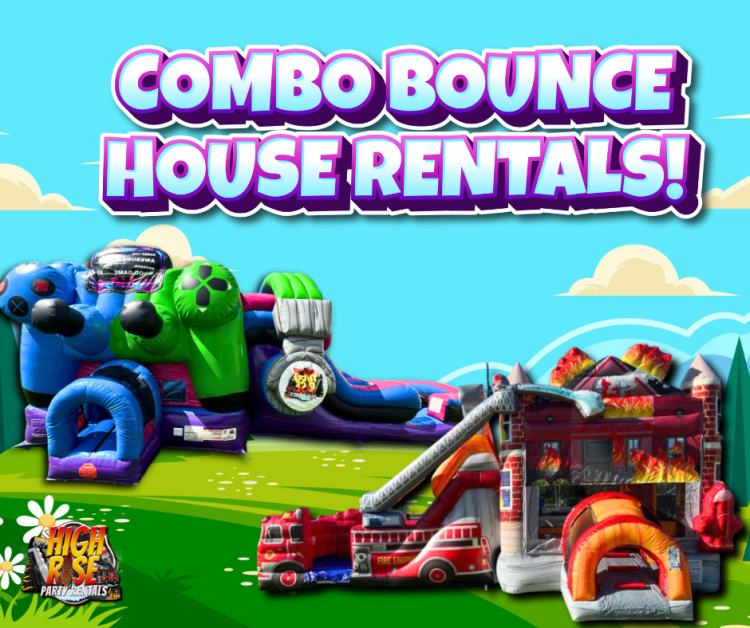
This is also where choosing the right rental matters. A huge obstacle course may be a hit at a school field day, while a smaller bounce house with slide might be the better fit for a backyard celebration with younger kids. Safety and fun usually work best together when the attraction matches the guest list.
Supervision is the rule that makes the other rules work
Even the best inflatable setup needs active supervision. Not occasional check-ins. Not someone watching from across the yard while carrying cupcakes. Someone needs to be clearly responsible for monitoring play.
That person should watch the entrance, control how many children enter at once, and step in when behavior gets too rough. Supervision is also how you enforce the rules kids tend to forget the moment the party gets exciting, like no flips, no climbing the outside walls, and no pushing at the top of a slide.
For larger events, an attendant can make a big difference. Schools, churches, festivals, and corporate family events often have too much happening for one organizer to manage everything alone. Having trained support helps keep lines moving and safety expectations consistent.
Children should also remove shoes before entering unless the unit requires otherwise. Glasses, sharp objects, toys, jewelry, and anything in pockets that could cause injury should stay out. That one simple check prevents a surprising number of bumps and scratches.
Weather is not a minor detail
In South Florida, weather can shift fast. Sunshine at setup does not guarantee smooth conditions all afternoon. Wind, rain, lightning, and slick surfaces can all change whether an inflatable should stay in use.
This is one area where hosts should never try to push through because the party is in full swing. If weather conditions become questionable, stopping use is the smart call. Children may be disappointed for a moment, but that is far better than risking an unsafe situation.
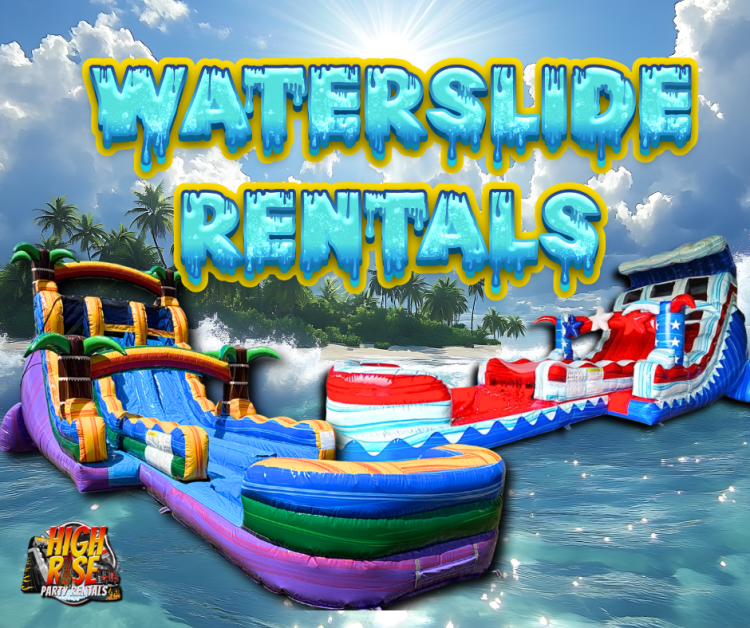
Water slides deserve extra caution because wet surfaces naturally increase speed. That is part of the fun, but it also means rules matter even more. Riders should go one at a time when required, slide feet first in the correct position, and exit quickly so the landing area stays clear for the next child.
Professional rental companies monitor setup conditions and have safety standards for weather-related shutdowns. That kind of guidance matters because the right decision is not always obvious to a host trying to manage a busy event.
The most important inflatable rules for guests
Every event should have a few easy rules that adults can explain quickly and children can understand. Complicated instructions get ignored. Clear, repeatable rules work better.
Kids should take turns, keep roughhousing out of the inflatable, and follow the direction of the supervising adult. They should enter and exit carefully rather than diving through openings. Slides should be used the way they are intended, not climbed from the bottom unless that is part of the design.
If a child is tired, upset, or not comfortable with the activity, they should take a break. This sounds obvious, but party energy can make kids push past their limits. Giving them space to pause helps prevent stumbles and emotional meltdowns that can affect other children nearby.
Parents can help by doing a quick visual check before each turn. Are shoes off? Are hands empty? Is the child going in with a group of similar-sized kids? Those little moments of attention add up.
A practical guide to inflatable safety rules for larger events
Backyard birthdays and large public events are not the same, and safety planning should reflect that. A school carnival, church festival, or company family day usually has more children, longer operating hours, and more transitions between groups.
For bigger events, traffic flow matters. There should be enough space around each inflatable for lines to form without crowding exits. Organizers should think about shaded waiting areas, hydration, and how to separate younger children from older, high-energy groups. If multiple attractions are running at once, each one needs its own supervision plan.
This is also where dependable setup and support become part of the guest experience. Clean equipment, on-time delivery, and professional installation are not just conveniences. They help create the kind of event where safety feels built in rather than patched together.
That is one reason many West Palm Beach families and organizations choose full-service providers like High Rise Party Rentals. When the company handling your inflatable entertainment takes setup, cleanliness, and safety standards seriously, you have more room to focus on the fun.
Safety and fun are not competing goals
Some hosts worry that too many rules will take the excitement out of the party. Usually the opposite is true. When children know how to play safely, they spend less time waiting on adults to fix problems and more time actually enjoying the attraction.
Good rules create a better rhythm. Kids bounce more confidently. Parents relax. Event organizers stop putting out fires and start enjoying the celebration they worked hard to plan. That is the real goal – not just an inflatable at the party, but an experience that feels smooth, exciting, and well cared for.
If you are planning an event with bounce houses, slides, obstacle courses, or other inflatable attractions, think of safety as part of the fun from the very beginning. The best parties are the ones where everyone leaves tired, happy, and already asking when they can do it again.